

Barcelona 1929: the pavilion nobody wanted
First Berlin didn’t want it, then the money was cut, and in the end there were just six weeks left to build it. How the pavilion came about anyway, with a hammer in a stone yard, a dictator to the rescue and a summer full of mishaps, is a story in its own right.
At the end of the 1920s Berlin is the largest city on the continent, once christened ‘Chicago on the Spree’ by Walther Rathenau. The economy is finally picking up again, there is money for new buildings, and in the studios, cafés and exhibition halls a young generation argues about how people should live in the future. Right in the middle of it stands Ludwig Mies van der Rohe, the man behind Stuttgart’s Weissenhof Estate, which in 1927 drew so many visitors that the exhibition had to be extended. And then comes the commission that will make him famous, even though it very nearly never happened.
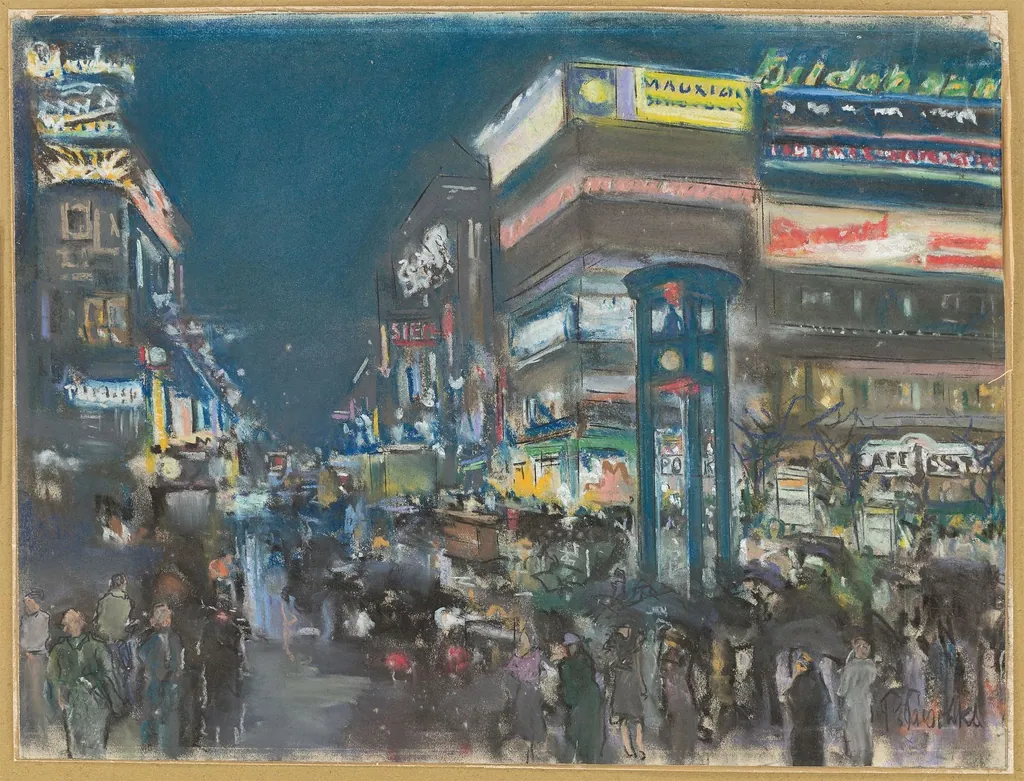
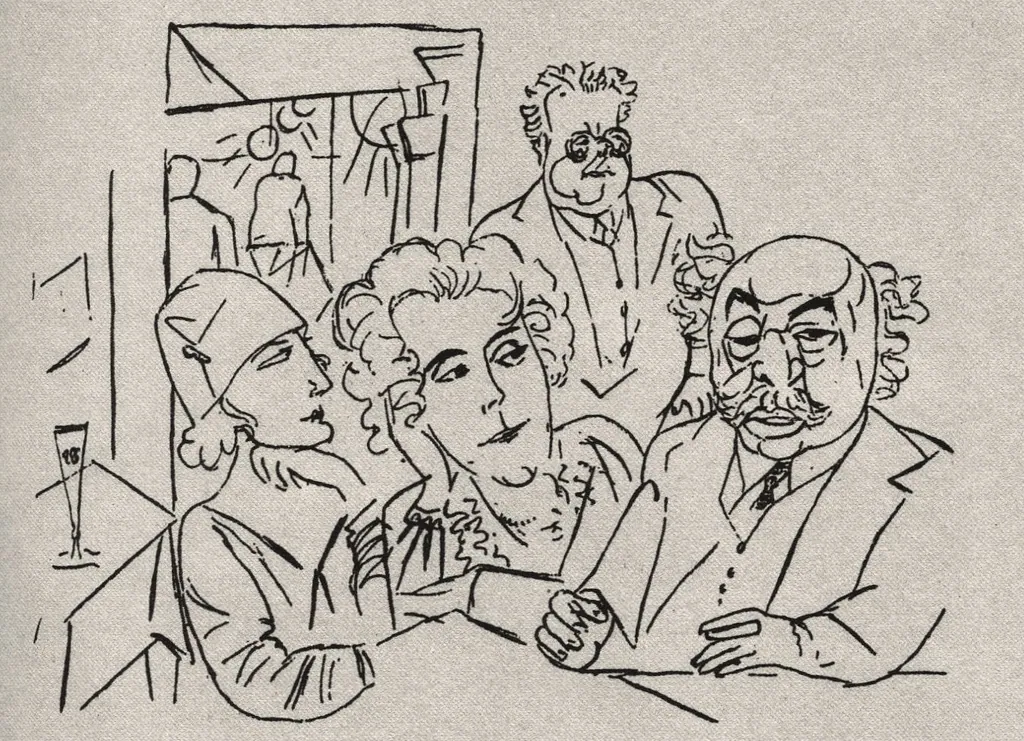
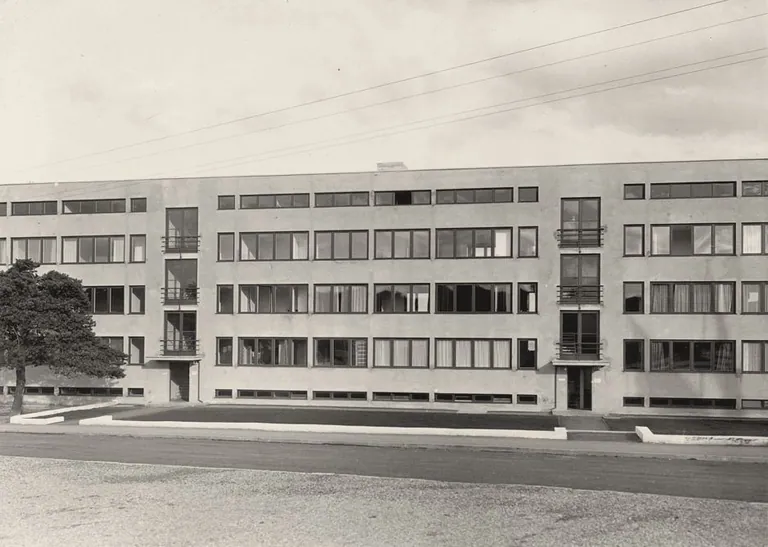
Berlin · 1928
Berlin says no
When Spain sends out invitations to the International Exposition in Barcelona, Germany is keen to show machines and chemicals there, but has no intention of putting up a building of its own. A pavilion, the Foreign Office lets it be known, is out of the question. The country has worn out one government after another in just a few years, and savings are being made wherever possible.
Georg von Schnitzler sees things differently. The industrialist is in charge of Germany’s participation and wants the pavilion regardless, and his wife Lilly, who had met Mies a few years earlier and was immediately struck by the man’s power, tells him that this is Germany’s Le Corbusier. Mies gets the commission, together with the designer Lilly Reich, and along the way negotiates himself an above-average fee. More about Mies and Lilly Reich

Berlin · Winter 1928/29
A hammer in the stone yard
It is winter, time is short, and because freshly quarried stone is too damp to ship, Mies goes to the stone yard himself to pick out slabs. In front of one block he asks for a hammer, knocks off a thin, hand-sized slice and has it polished on the spot, because he wants to see what colour lies inside the stone.
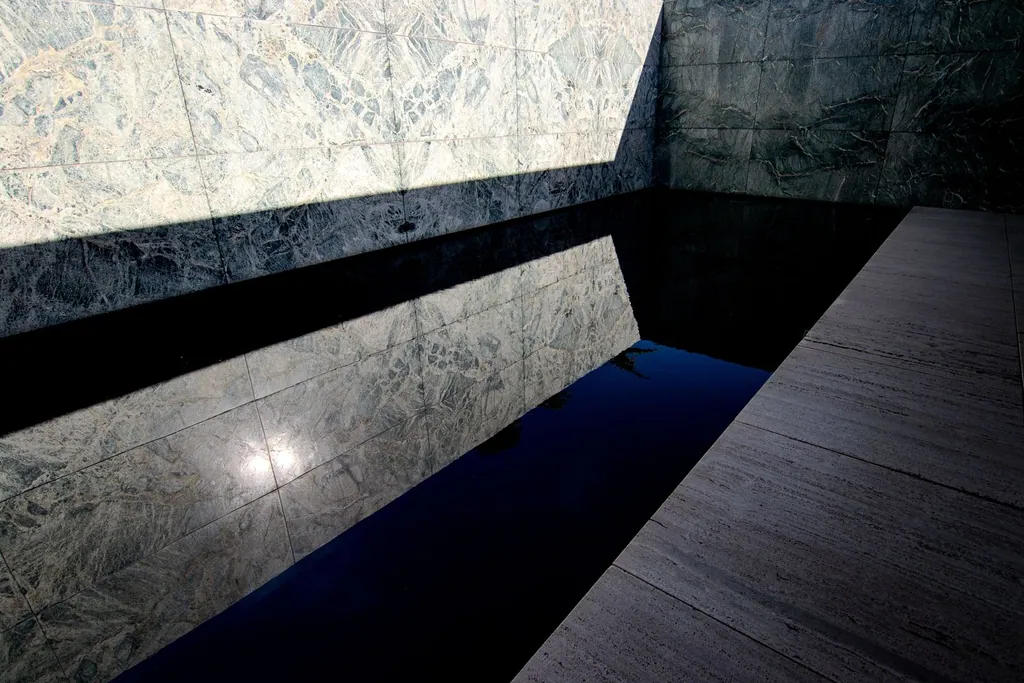
For the wall at the heart of the pavilion he finally finds onyx, a stone that seems to glow from within when the light falls on it. There is only a single suitable block, actually reserved for the ballroom of an ocean liner, and Mies gets it anyway. In the end its height decides how tall the whole pavilion will be: Mies has the block sawn into slabs and sets two of them one above the other, and that is exactly how high the rooms become, twice the height of the block.
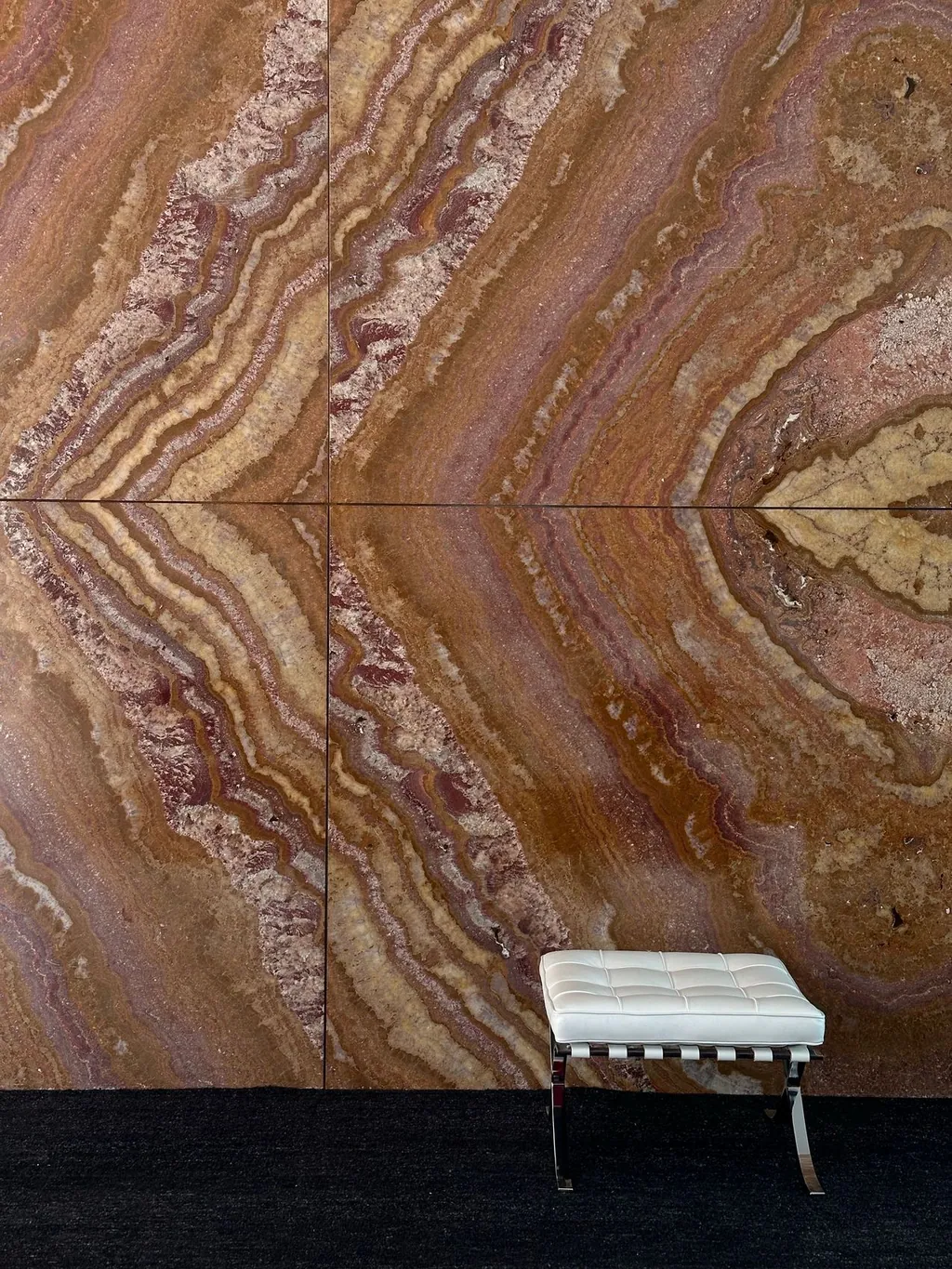
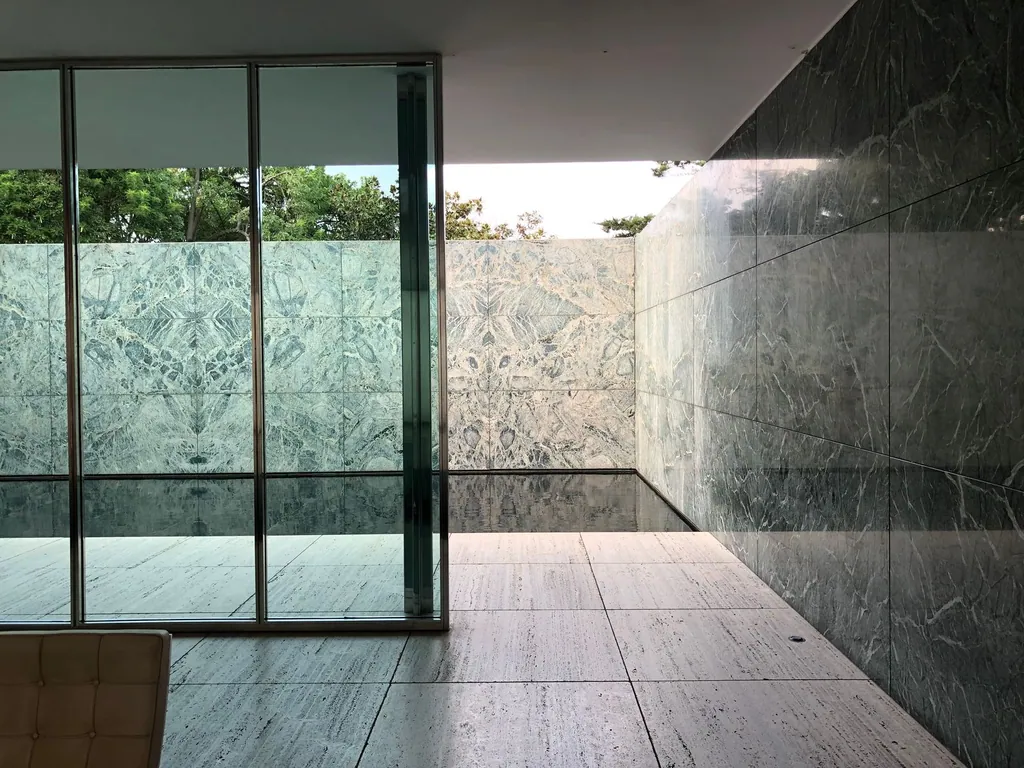
In the studio he crouches over a model made of white modelling clay, sliding strips of glass and marbled paper back and forth, and one evening, working late, he draws a free-standing wall and, as he later recalled, is startled by his own idea.
Berlin & Barcelona · Spring 1929
Cancelled, and built anyway
Then, in the spring of 1929, the Reichstag cuts the money, and von Schnitzler calls the pavilion off. Its rescuer, of all people, is Spain’s dictator Primo de Rivera, who lets it be known that he would take an abandoned German building site as an insult. So it is built after all, and von Schnitzler advances the money out of his own pocket.
Georg von Schnitzler in a letter, April 1929 · translated from German‘Personally, I have my head in the noose.’
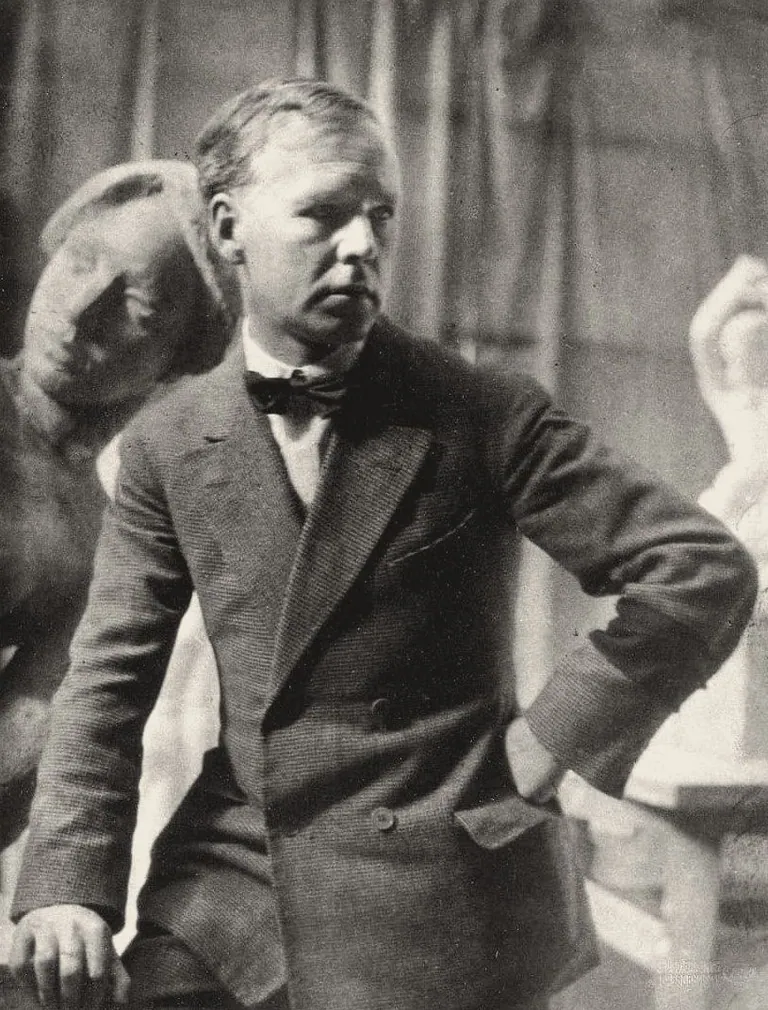
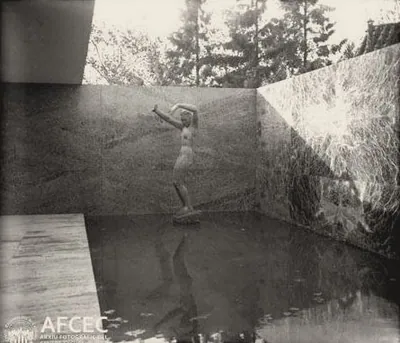
That leaves just six weeks for construction. Work goes on at night under floodlights, some parts arrive by plane, and Mies shuttles between Berlin, where he oversees the making of his chairs, and Barcelona, where he stands among heaps of earth on the building site. For a sculpture by the pool, so the story goes, he takes a taxi on one of his last days in Berlin to the studio of the sculptor Georg Kolbe and simply borrows a figure. Meanwhile Lilly Reich fits out the German exhibition halls, and by the end she is running a high fever.
Barcelona · May 1929
Champagne, but no sign
On the evening before the opening, workmen set out tubular steel chairs for the guests, and a snapshot shows two men in hats standing beside them, watching, one noticeably taller than the other: Mies and a representative of von Schnitzler’s.
The next morning the Spanish king and queen arrive. Mies, in tails, top hat and gloves in hand, walks beside the queen, who speaks German, and there are speeches, champagne and canapés. The king jokes that he has driven past every day for a week, waiting for the pavilion to be finished at last. Even now, though, it isn’t quite finished: the lettering ‘Alemania’ is still missing, and the red curtain only arrives weeks later. Some visitors even take the building for a showroom of the marble industry.
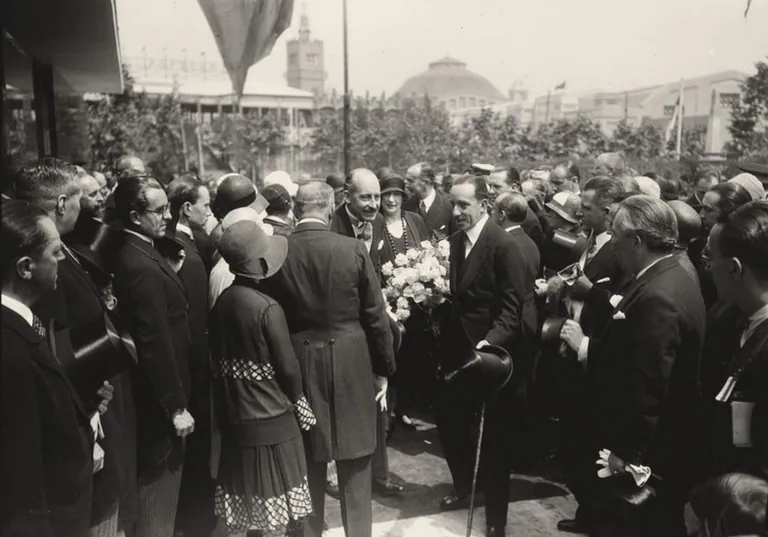
And the chairs Mies had flown in especially for this day? The royal couple simply walk past them. The story of the Barcelona Chair
Two weeks later Mies and Lilly Reich, exhausted, board a train and head for the Atlantic coast to recover. Mies never returns to Barcelona, and yet almost thirty years later he says that the work there was a shining moment in his life.
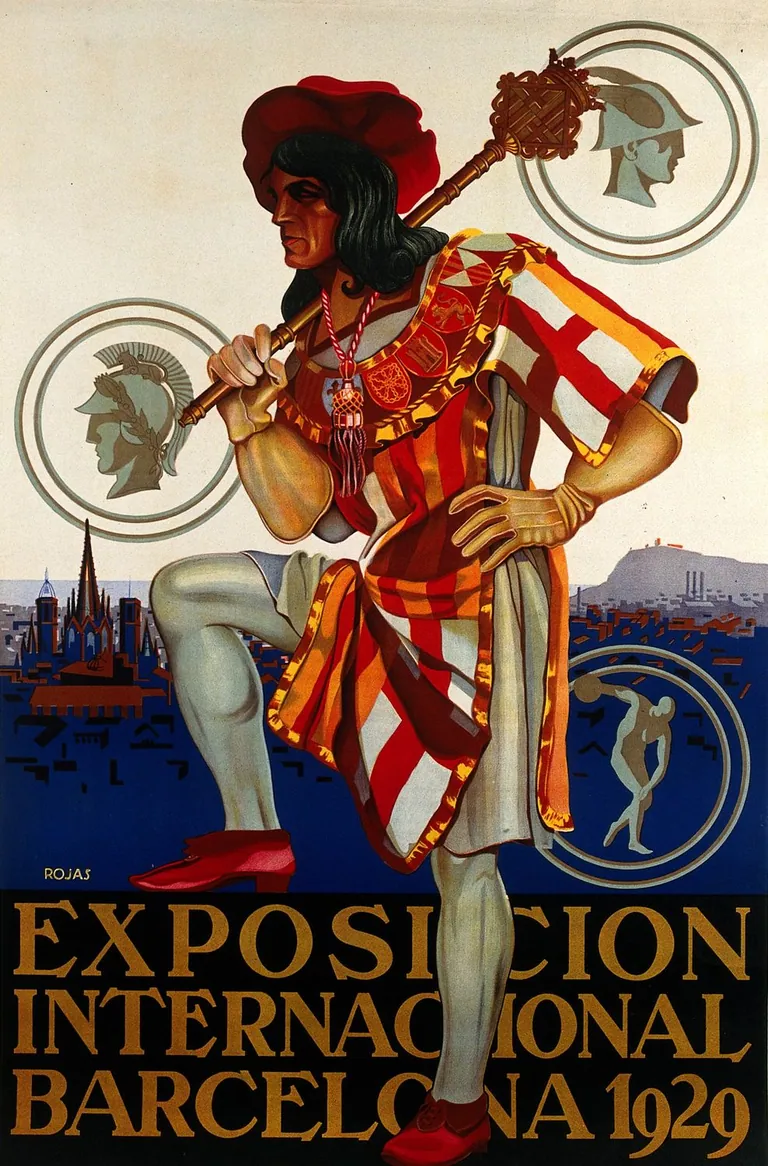
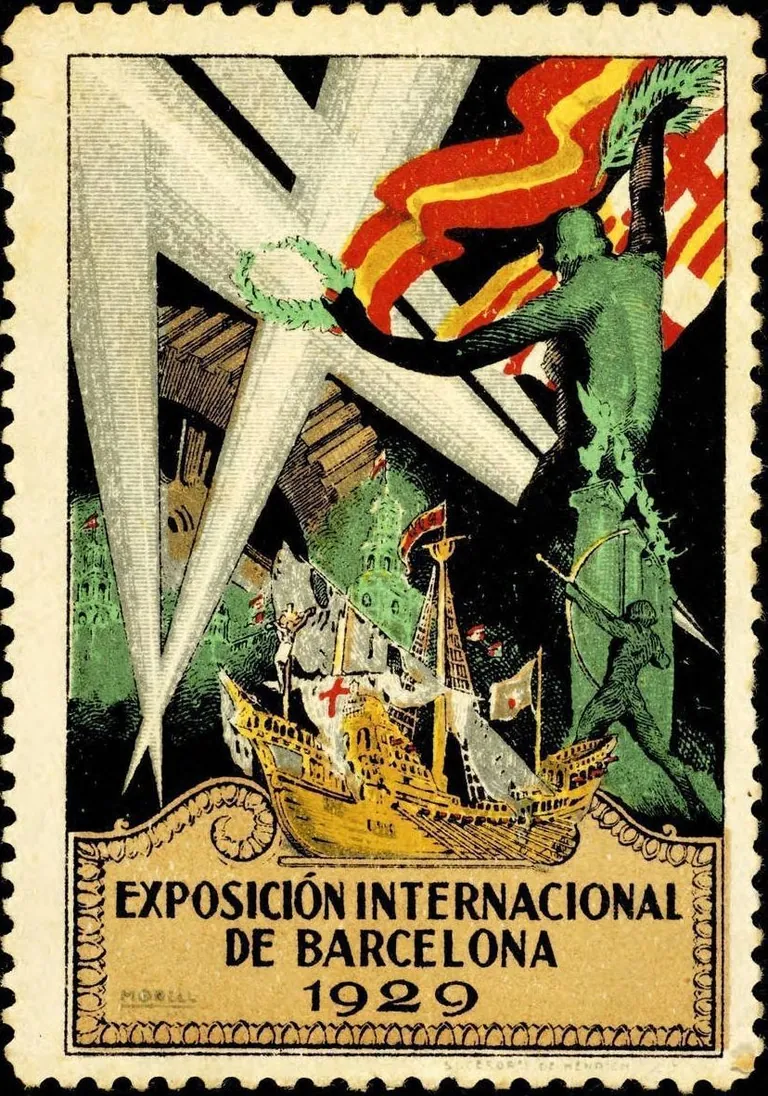
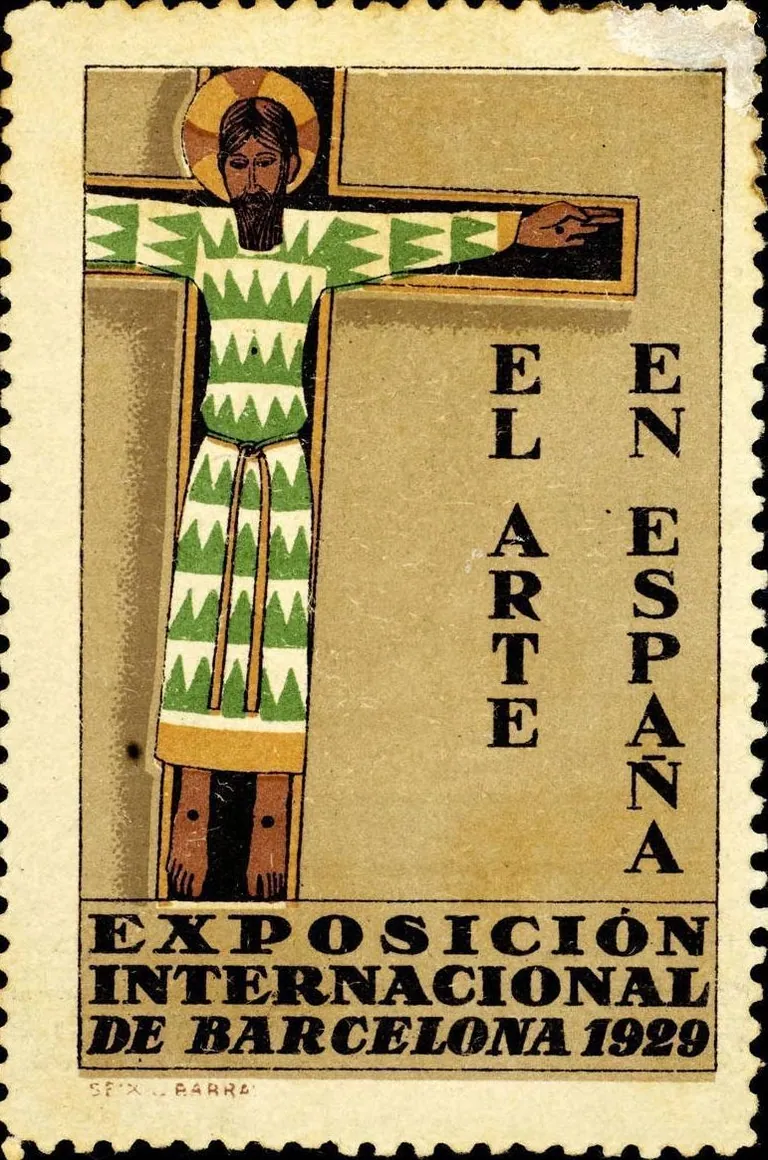
Barcelona · Summer 1929
A summer of mishaps
The summer in the pavilion is left to others, and they don’t always have an easy time of it. Visitors walk into the glass walls one after another, and two even fall into the pool at night. Outside the building fly two German flags, that of the Republic and the old one of the Empire, which leads some to ask which one is the real one. And because almost everything was brought in from Germany, one reporter scoffs that the only Spanish thing here is the water.

In the autumn there is a single festive evening with dancing, while the Zeppelin circles above the grounds, lit up by searchlights and reflected in the pool. Mies is invited too, for it would be a real shame, von Schnitzler writes, if the creator of the pavilion were missing. He would, however, have to pay for the journey himself. Mies politely declines.
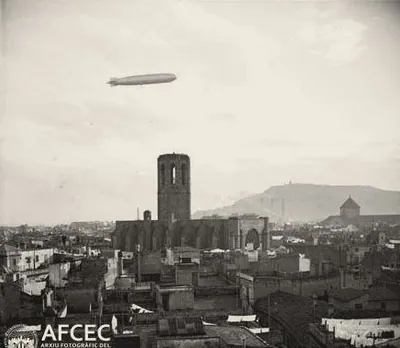
Barcelona · 1930 & 1986
Gone and back again
After eight months it is all over: the pavilion is dismantled, the steel goes for scrap and the stone slabs are shipped back to Germany. It only becomes famous afterwards, through a handful of black-and-white photographs that travel around the world, and in 1986 Barcelona rebuilds it on its original site. So anyone visiting today sees a new building, and in it, of course, Barcelona Chairs.
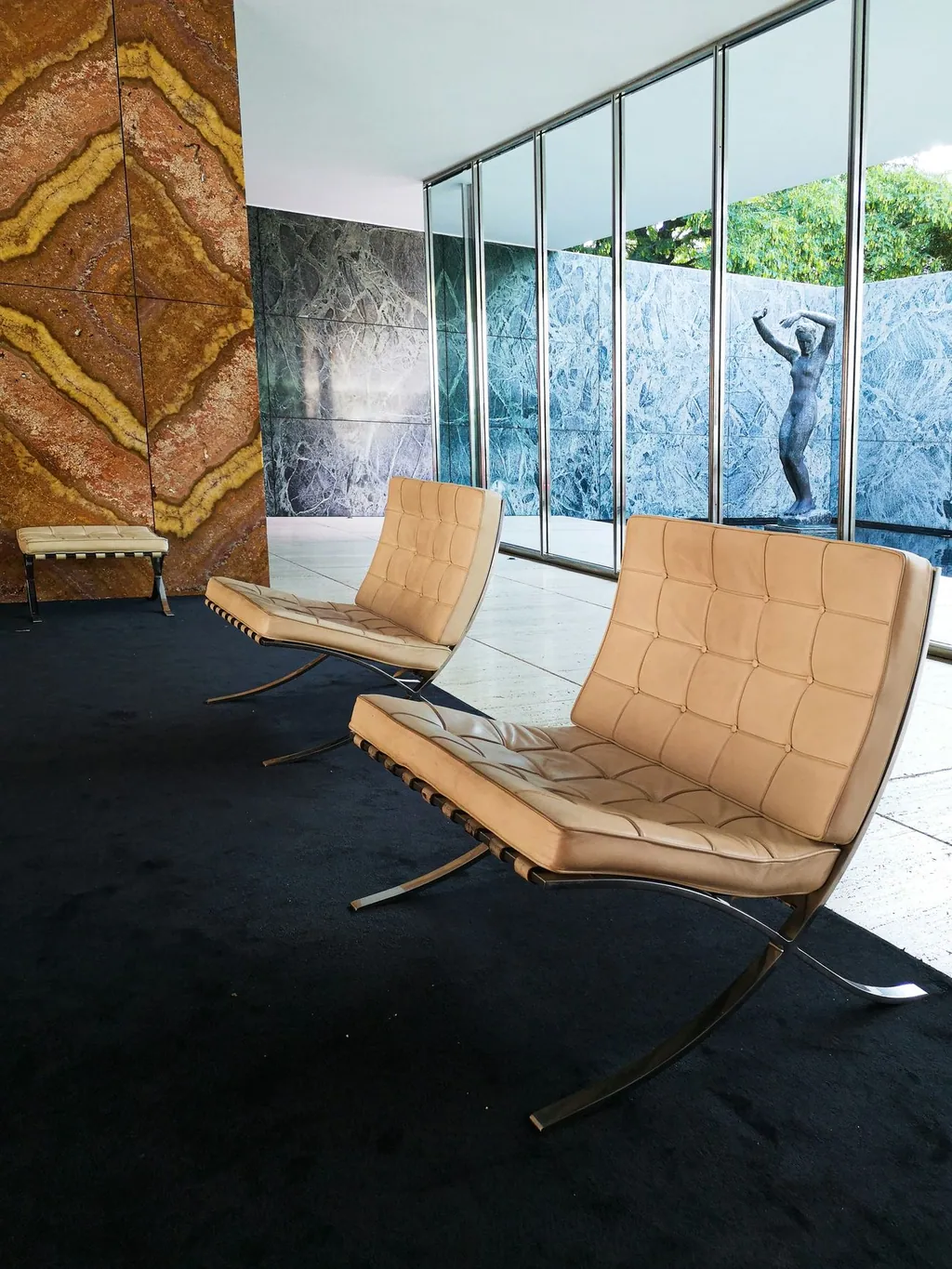
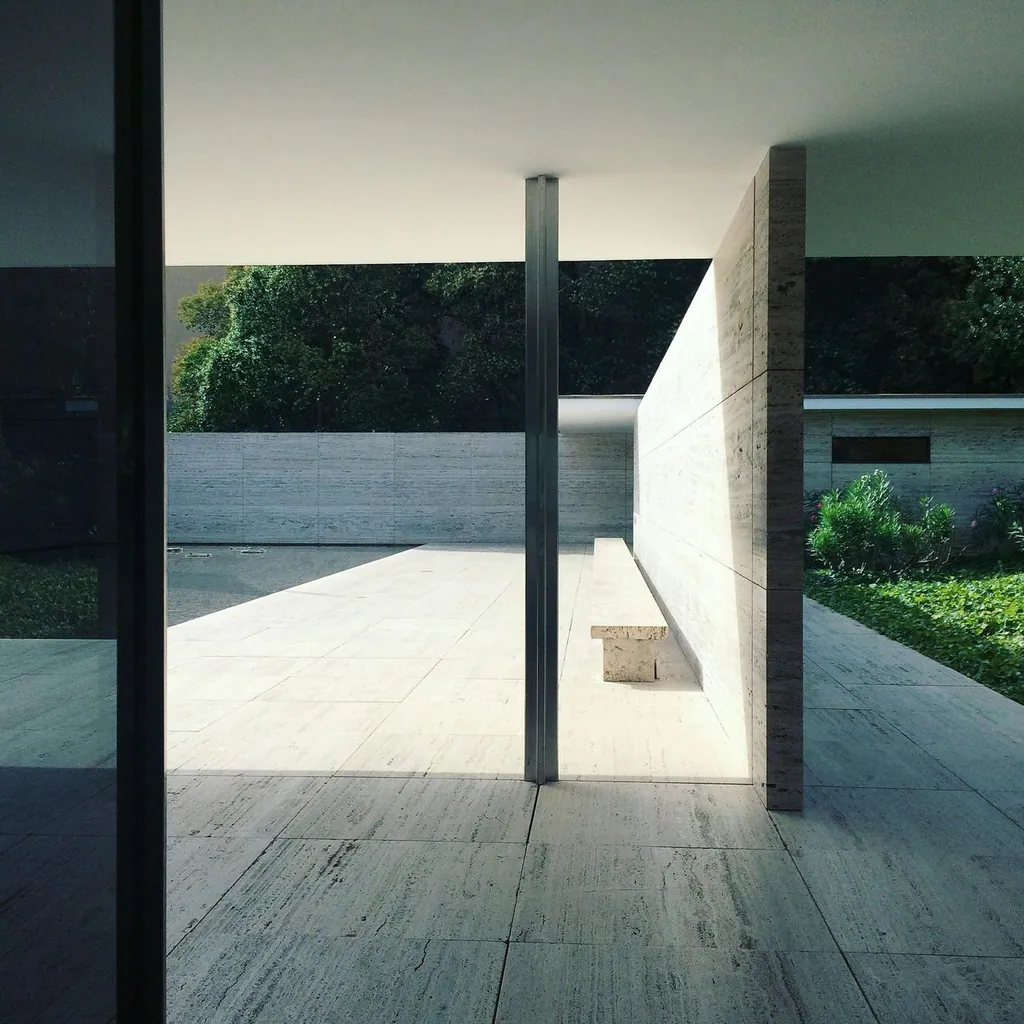
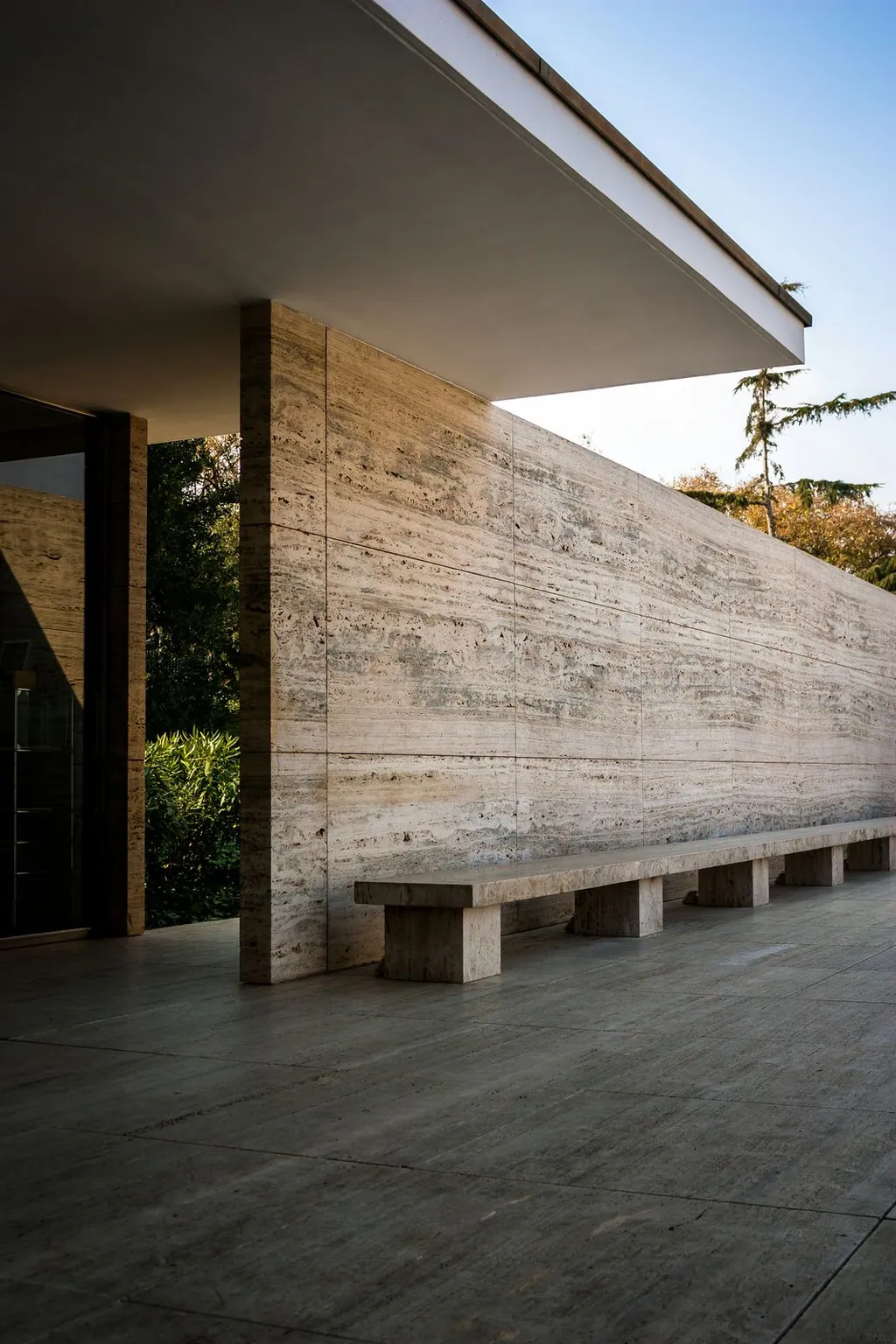
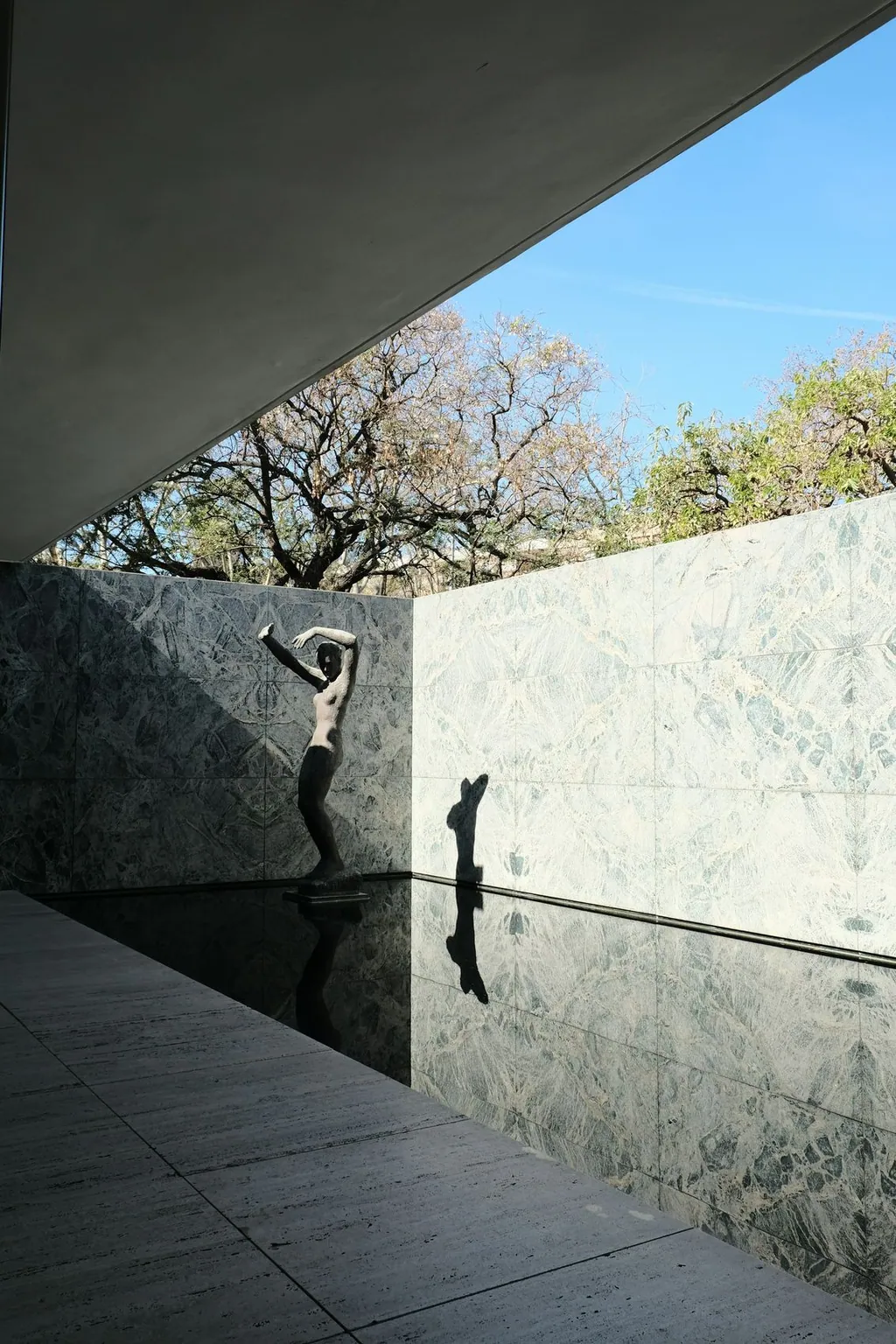
And Georg von Schnitzler, without whom none of this would have existed? After the Second World War he was convicted as a war criminal in the IG Farben trial at Nuremberg. That, too, is part of this building’s story.
The chairs from the pavilion
CHAIR AND STOOL FROM US


- 75 × 77 × 77 cm, the chair
- 43 cm seat height
- approx. 21 kg set it down once and leave it there
Since the mid-1990s the Knoll logo and Mies’s signature have been stamped into the rear right leg. Older chairs don’t have this stamp yet, so on its own its absence doesn’t mean a chair isn’t an original.
Not allowed in Germany: the courts, all the way up to the Federal Court of Justice (BGH), have classed the chair and stool as protected works of art.
We are an authorised Knoll dealer and are happy to help with leather, colour and the question of Classic or Relax. Browse the Knoll collection
It stood for only eight months.
No one has forgotten it to this day.
Sources
Dietrich Neumann, An Accidental Masterpiece. Mies van der Rohe’s Barcelona Pavilion (Birkhäuser 2020); Franz Schulze and Edward Windhorst, Mies van der Rohe. A Critical Biography (Chicago 2012); Knoll, product data sheets; BGH, judgment of 5 November 2015, I ZR 91/11.
Pictures
Historical pictures, public domain: Max Missmann (1925), Paul Paeschke (around 1929), Rudolf Großmann (1927), Dr. Lossen & Co. (1927), Hugo Erfurth (1921), Josep Brangulí (1929), Marcel·lí Gausachs (1929), Carles Fargas and Jaume Biosca (1929/30, Arxiu Fotogràfic del Centre Excursionista de Catalunya), poster and poster stamps 1929 (anonymous; Wellcome Collection, Biblioteca de Catalunya). The pavilion today: Vincenzo Biancamano, Pia Fuhst, Pauline Bernard, Tomas Val, Johnny Ho (Unsplash); Simge Tek, merna rakha, Marcel Gierschick (Pexels). Mishaps card and title collage: Villa Schmidt. Product photos: Knoll.