The art of planters: material, design and function in focus

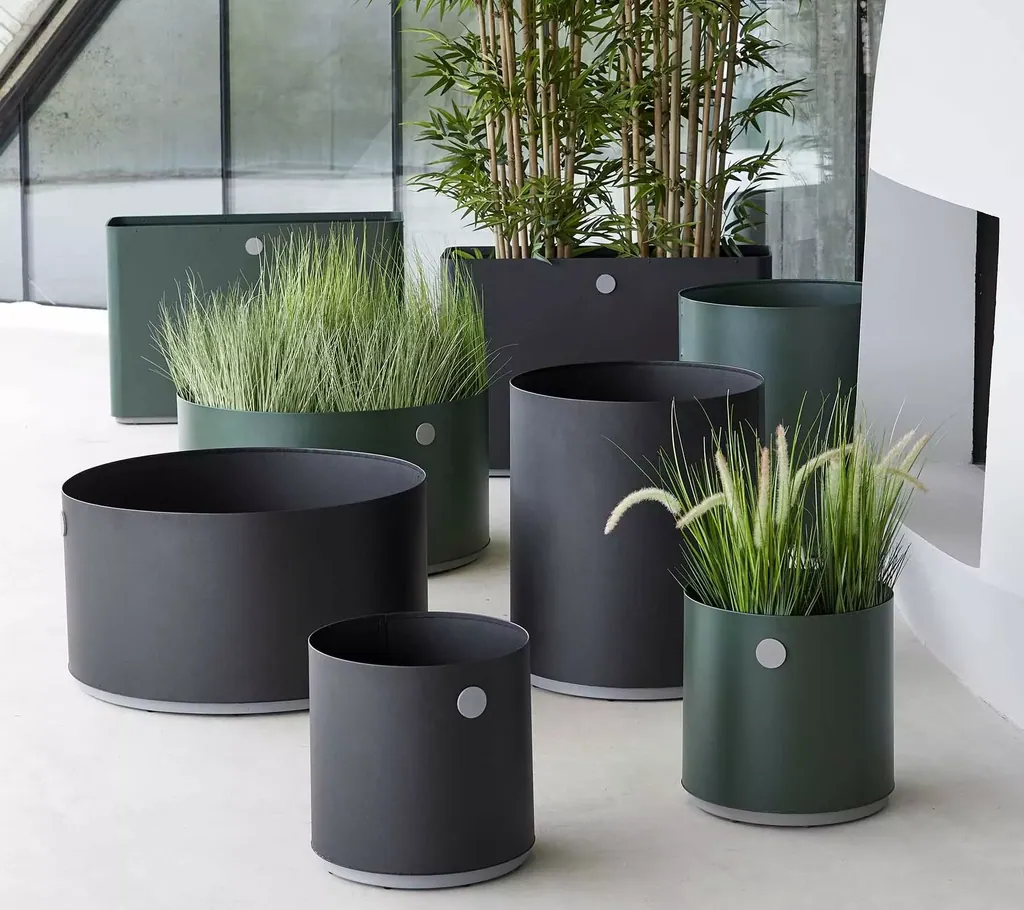
Planters are more than just simple containers for plants. They are a way to beautify outdoor and indoor spaces, set accents and even shape the ambience. In this blog article we explore the art of the planter, taking a closer look at materials, designs and functions.
Material options for your plant pots
Planters come in many different materials, each with its own advantages and disadvantages. Did you know that planters are also suited to different types of plants? See for yourself:
Clay: Clay planters are the best choice for anyone looking for a classic, timeless planter. They are available in various colours and surface textures and offer good ventilation for the plants' roots. However, they are heavy and can crack in frost. Clay, or terracotta, planters are particularly well suited to succulents and cacti thanks to their good drainage.
Plastic: Plastic planters are lightweight, affordable and available in many different colours and styles. They are also durable and easy to clean. Over time, however, they can fade or warp. Being lightweight, plastic planters are ideal for the balcony or terrace.
-1024x910.webp)
Fibreglass: Fibreglass planters are lighter than clay or concrete planters and can be produced in a wide range of shapes and sizes. They are durable and weather-resistant, but also more expensive. Like plastic planters, their light weight makes them ideal for balconies and terraces. Large fibreglass pots can also be used for trees and shrubs, as they are particularly hard-wearing.
Concrete: Concrete planters are the best choice if you are looking for a robust, durable planter. They can be designed in various colours and surface textures and offer outstanding stability for larger plants such as trees and shrubs. However, they are often heavy and difficult to move.
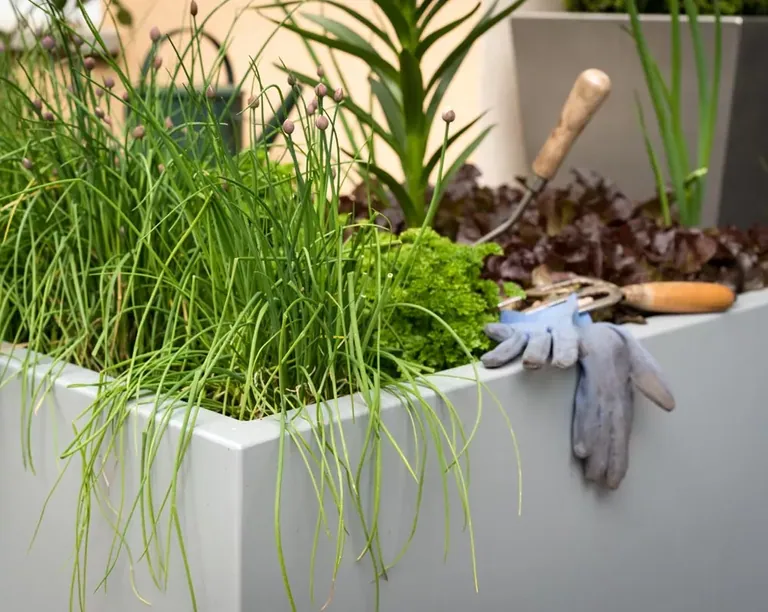
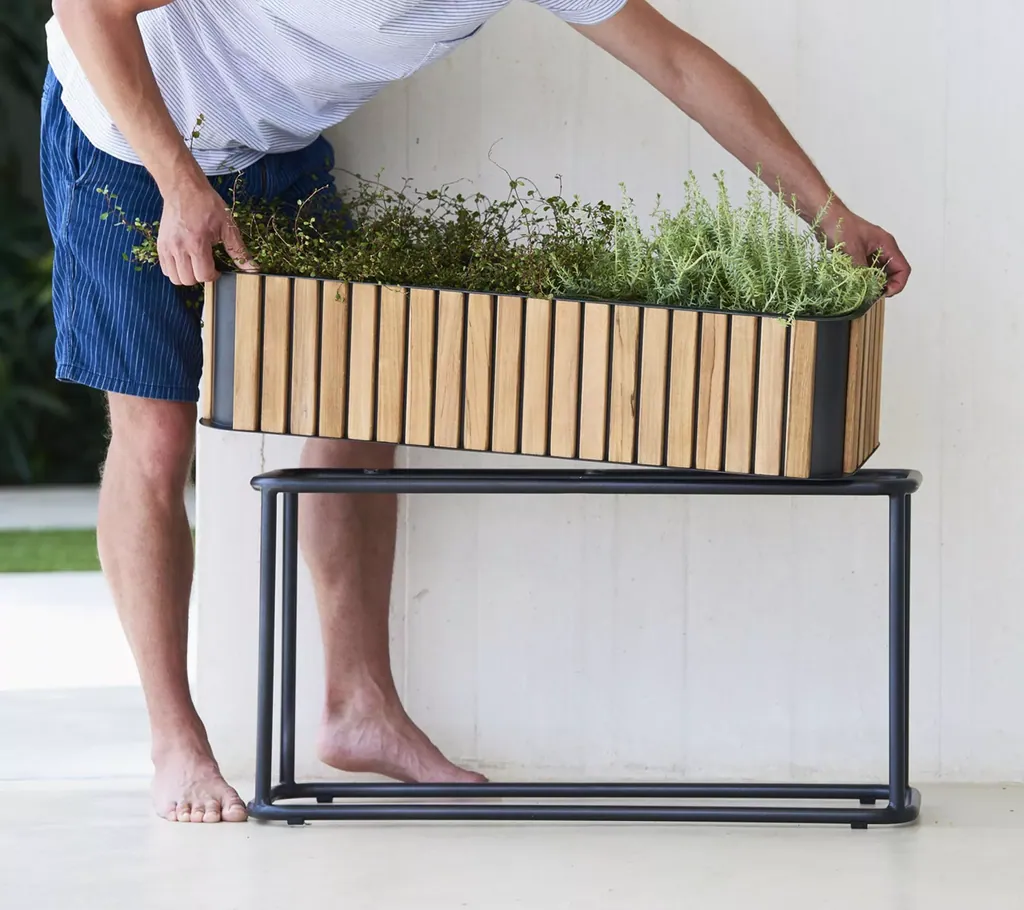
Wood: Wooden planters lend a space natural, rustic charm. Wooden planters are susceptible to rot and require regular care to protect them from the weather. Herbs, flowers and ornamental plants, as well as vegetables and smaller fruit varieties, feel especially at home in wooden planters.
Design options for your plant pots
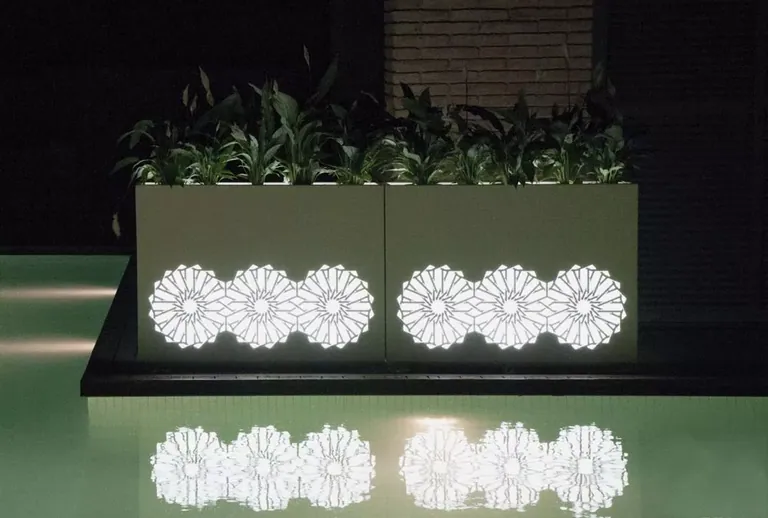
The design of a planter is a decisive factor in the overall impression of a room. Here are some of the most popular designs:
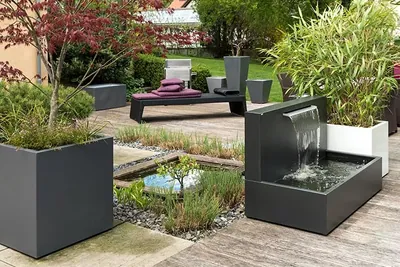
Modern: Modern planters stand out with clean lines, smooth surfaces and minimalist forms. They are a perfect fit for contemporary or urban settings.
Classic: Classic planters often feature ornate details such as floral patterns or Roman columns. They are perfect for traditional or formal gardens.
Rustic: Rustic planters in wood or stone lend a space natural, cosy charm. They are a perfect match for country or rustic settings.
Sculptural: Sculptural planters are true works of art and can take any conceivable shape or figure. They are a real eye-catcher and can readily be regarded as standalone art objects in their own right.
The functional versatility of your planters
Planters are more than just beautiful. They can also serve various functional purposes.
- Dividing spaces: large planters are ideal for partitioning rooms and defining separate areas – indoors and outdoors alike. Planters with tall plants make a perfect natural privacy screen, giving you the desired seclusion on terraces or balconies.
- Water drainage: some planters come with integrated drainage systems to prevent waterlogging and keep the roots healthy.
- Mobility: mobility is a decisive advantage of wheeled planters. They make it possible to move your plants as needed, whether to catch more sunlight or to make room for events.
Planters are versatile, creative elements that not only present plants but can also shape spaces. By considering materials, designs and functions, we can fully appreciate the art of the planter and use it to beautify and enrich our surroundings.
You might also be interested in:
- The must-have garden furniture 2024
- Checklist: summer preparations for your garden
- Relax as if on holiday with the perfect sun lounger