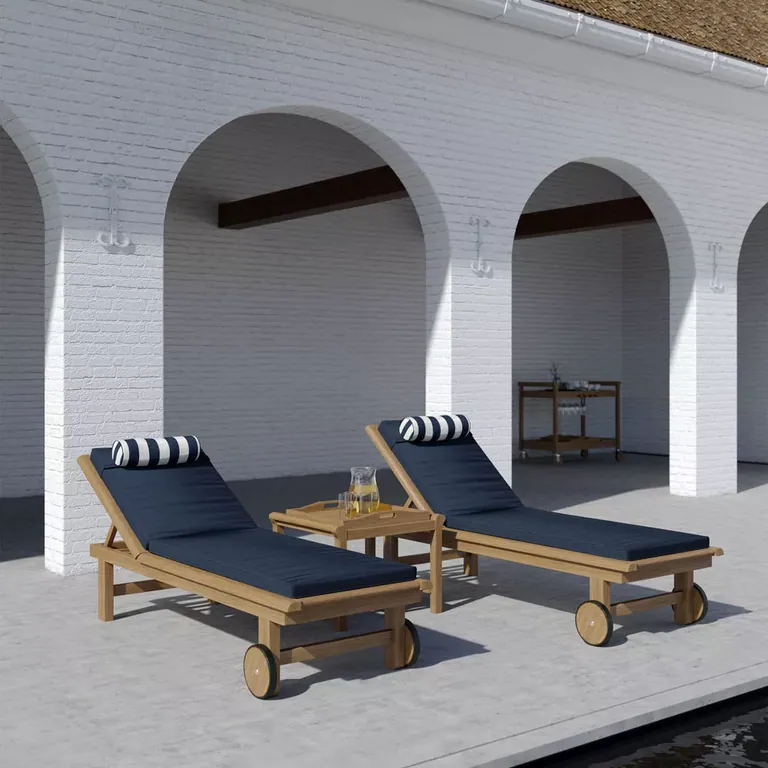
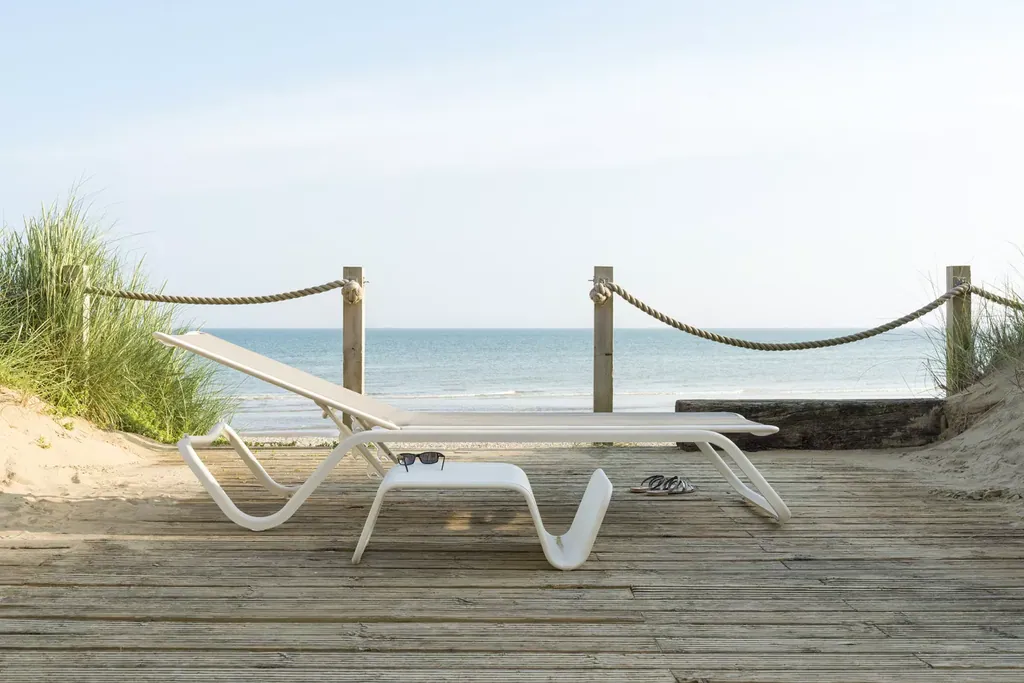
Summer flair at home: relax as if on holiday with the perfect sun lounger

Relax in comfort in a hammock or sun lounger
Having explored the idea of relaxing in the sun, we now dive deeper and compare two popular options: the hammock and the Sun lounger. Both promise cosy moments of rest outdoors, but each has its own advantages and particular qualities. In this part of the blog, we take a closer look at what distinguishes a hammock from a Sun lounger differ, the advantages and disadvantages each offers, and which model best suits your needs and your terrace design.
Sun lounger | Hammock | |
|---|---|---|
Advantages |
|
|
Disadvantages |
|
|
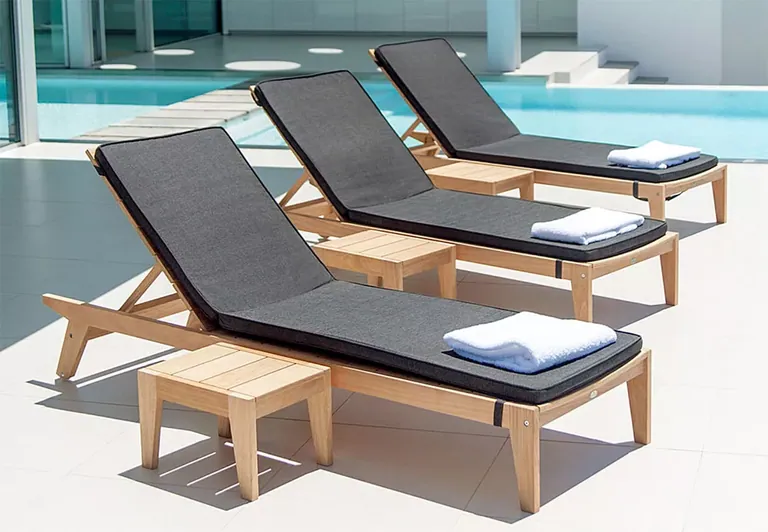
Further sun lounger models
Folding deck chairs:
Classic deckchairs are a type of sun lounger and timeless favourites for those seeking simple functionality and comfort. With adjustable backrests and footrests, they offer versatile ways to relax on sunny days in the garden or by the pool.Adjustable sun loungers:
The adjustable models offer the flexibility to change position to suit your needs. With several recline angles and sometimes even integrated sun canopies, they provide optimal support and protection from glare.Daybeds:
Daybeds are the ultimate luxurious option for relaxed time outdoors. Generously proportioned and often upholstered, they offer not only comfort but also a stylish addition to your outdoor oasis.
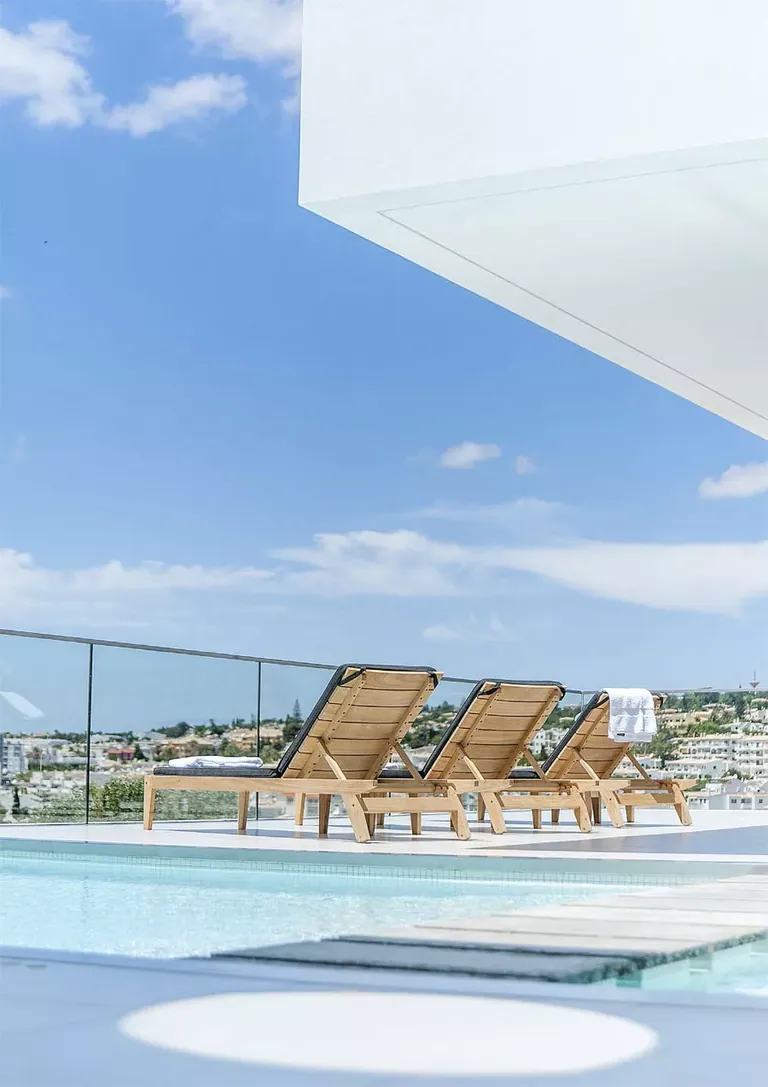
Which material should my sun lounger be made of?
Synthetic weave:
Models in synthetic weave are a popular choice for outdoors thanks to their durability and weather resistance. They offer a modern aesthetic and are easy to clean, which makes them ideal for use in the open air.Wood:
Wooden models radiate natural beauty and warmth and go well with a wide range of outdoor settings. High-quality woods such as teak or eucalyptus are particularly resistant to the elements and develop an attractive patina over time.Metal:
Models with metal frames are robust and stable, offering a modern aesthetic for your outdoor space. Aluminium is light and corrosion-resistant, while a powder-coated steel frame offers additional durability.
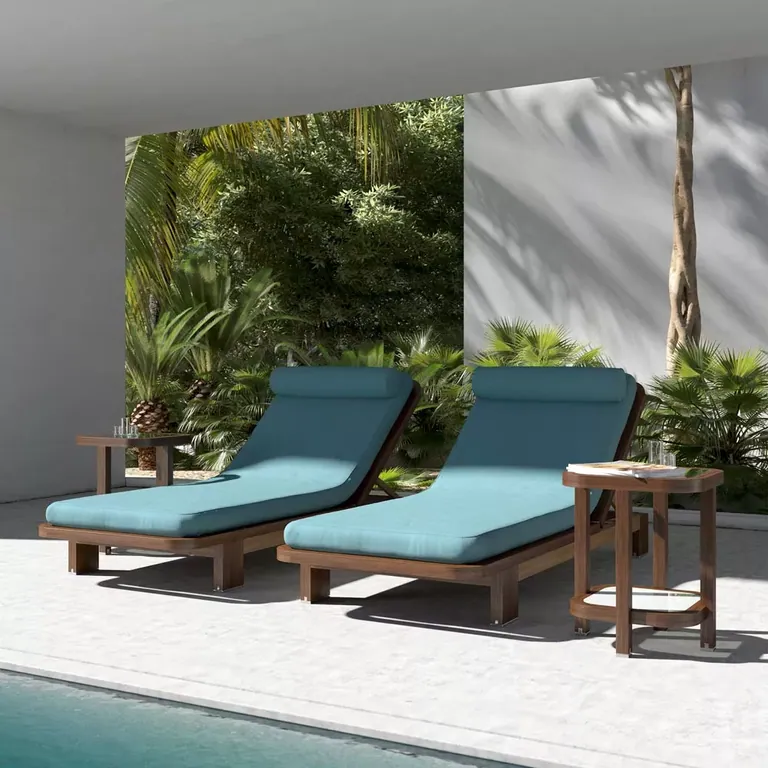
Important factors in upholstery
The upholstery plays a decisive role in your comfort and wellbeing while relaxing outdoors. Here are some important factors to consider when choosing the upholstery:
Weatherproof materials:
Outdoor fabrics such as polyester, acrylic and Sunbrella are ideal, as they are water-repellent and do not fade or mould as easily as conventional fabrics.Quick-drying cushions:
Even with weather-resistant materials, cushions can become damp, whether from rain or morning dew. It is therefore advisable to choose cushions for your sun lounger made from quick-drying materials, to prevent mould and get your sun lounger ready for use again quickly.Breathable properties:
On warm days in particular, it is important that the upholstery is breathable to ensure a pleasant feel when sitting or lying down. Materials such as mesh or perforated fabrics allow good air circulation and prevent sweating on the sun lounger.UV resistance:
The sun can not only fade colours but also affect the structure and firmness of the upholstery. Therefore, be sure to choose upholstery materials that are UV-resistant and retain their quality even under prolonged sunlight.Ease of care:
Finally, it is important that the upholstery of your sun lounger is easy to clean. Removable covers that are machine-washable make caring for sun lounger cushions considerably easier and keep your sun lounger looking fresh and clean.
Tips on caring for, assembling and styling your sun loungers
How do I clean my sun lounger?
- Regular wiping: Remove dust and dirt regularly by wiping with a damp cloth. This helps to extend their lifespan and keep them clean.
- Stain removal: in the event of dirt or stains, clean the affected areas promptly with mild soapy water and a soft sponge or brush. Avoid aggressive cleaning agents or abrasives, as they can damage the material.
- Cushion cleaning: if the cushions are removable, wash them according to the manufacturer's instructions. Ideally, use a mild detergent and allow the cushions to dry thoroughly.
How do I care for my sun lounger?
- Regular inspection: check your sun lounger regularly for signs of wear or damage. Repair small defects immediately to avoid bigger problems.
- Weatherproof cover: when you are not using your sun lounger, cover it with a weatherproof cover to protect it from the elements and extend its service life.
- Care of frame materials: depending on the frame material (e.g. wood, metal), you should follow specific care instructions to prevent rust, discolouration or weathering. Read our detailed blog post on caring for different materials.
How do I style my sun lounger?
- Set stylish accents: personalise your sun loungers with decorative cushions, blankets or accessories to create an inviting, cosy look.
- Consider functionality: when designing your outdoor space, think about practical aspects such as sun protection, drinks holders or integrated shelf surfaces to make your moments of rest outdoors even more enjoyable.
You might also be interested in:
- The top 5 sun lounger brands
- The top 10 sun loungers
- Our selection of Sun loungers