
Natural stones by DRAENERT: a guide to materials

Natural stone at Draenert stands for an interplay of material, craftsmanship and design. Each slab is an individual piece of nature which, in dialogue with design, becomes an object that unites permanence and individuality.
Natural stone is a material formed over millions of years, its unique structure shaped by geological processes. Every surface bears an individual pattern that cannot be reproduced, defining the character of each piece of furniture.
Selection and character of the stones
At Draenert, selecting the right stone is a central part of the design process. Colour, structure and hardness determine not only the look but also the effect a piece has in a room.
Natural stone reveals a fascinating range of colours, textures and geological traces formed over millions of years. Particularly impressive are stones in which primeval traces have survived to this day – fine lines, mineral markings or fossil structures that make every slab an unmistakable one-of-a-kind piece. The result is not only a material with natural depth, but a surface whose character can range from quiet elegance to extraordinary expressiveness. The approaches all follow the same principle: the stone should not merely be a material, but become part of the composition of the room.
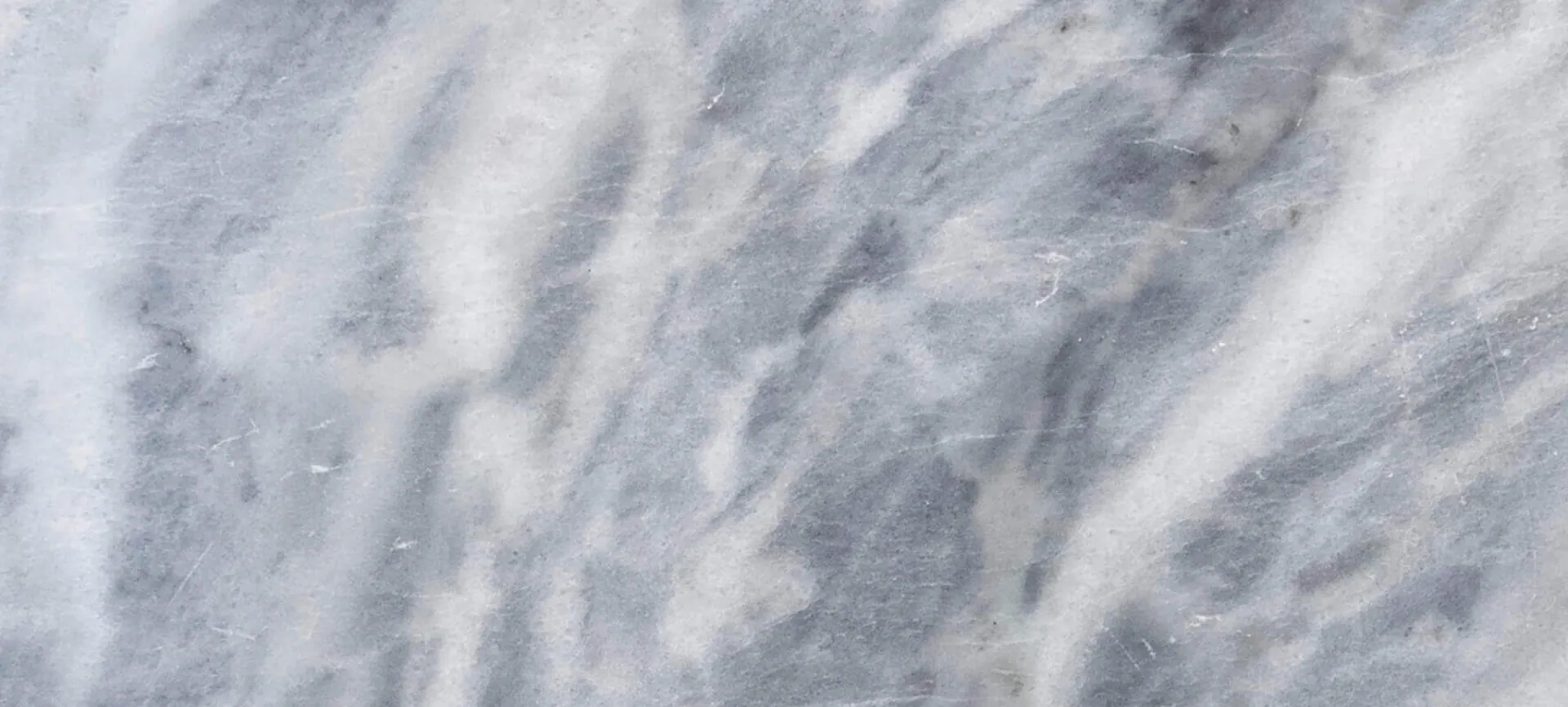
Nature's unique colour palette
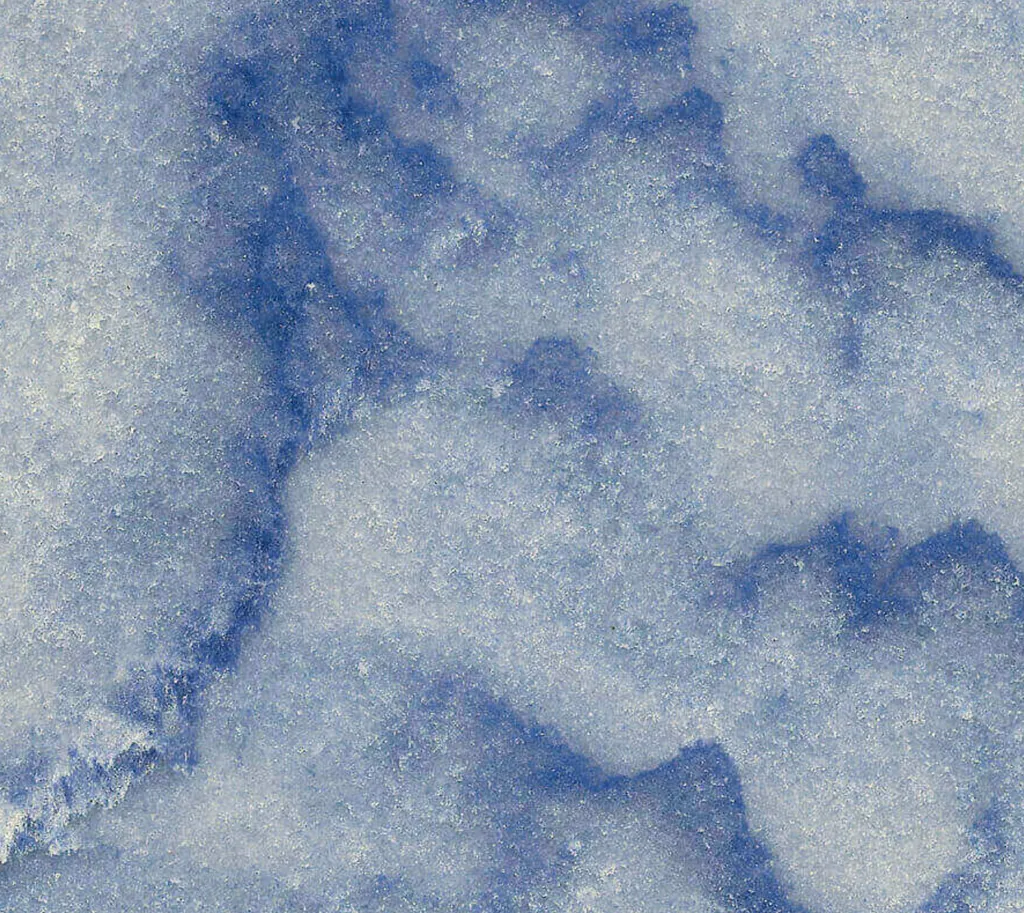
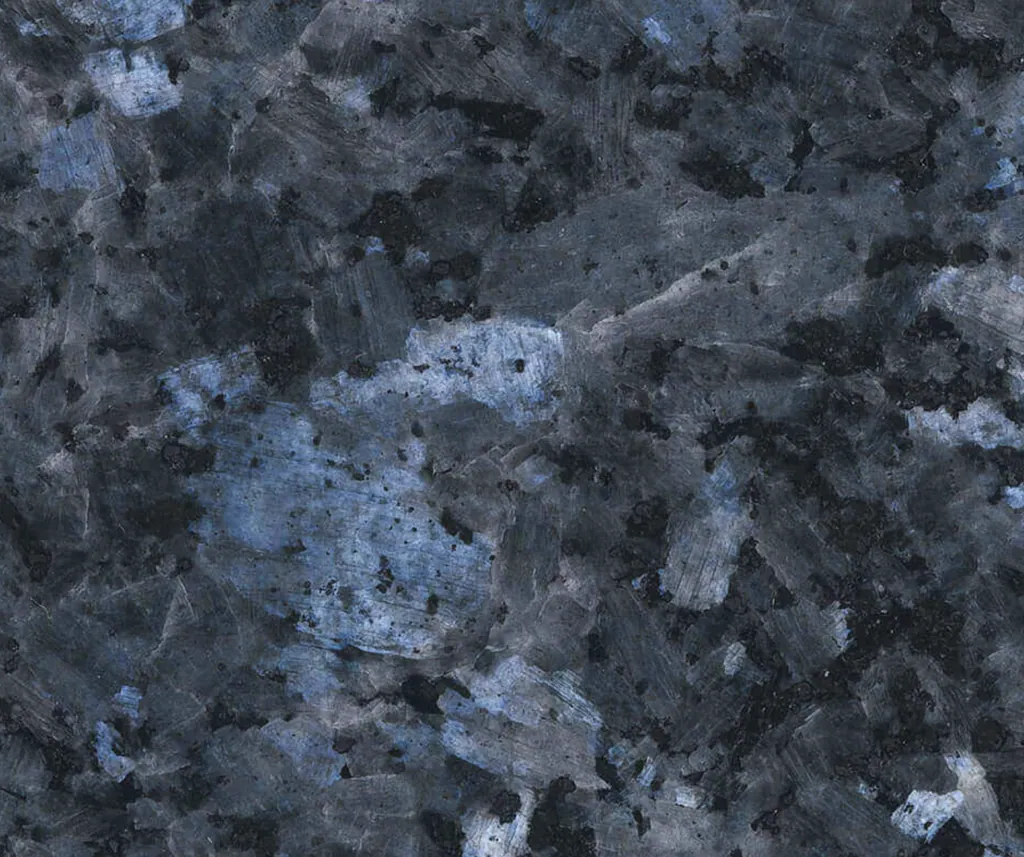
Natural stone is, in the truest sense, a unique colour palette created by nature. Over millions of years, geological processes give rise to structures, colour gradients and veining that can never be exactly reproduced. Each slab carries its own visual signature — sometimes calm and understated, sometimes lively and expressive.
It is precisely this natural unrepeatability that makes the appeal in interior design: the stone is not designed but selected. Its effect arises from the interplay of chance, time and geological development – lending every piece of furniture an unmistakable presence in the room.
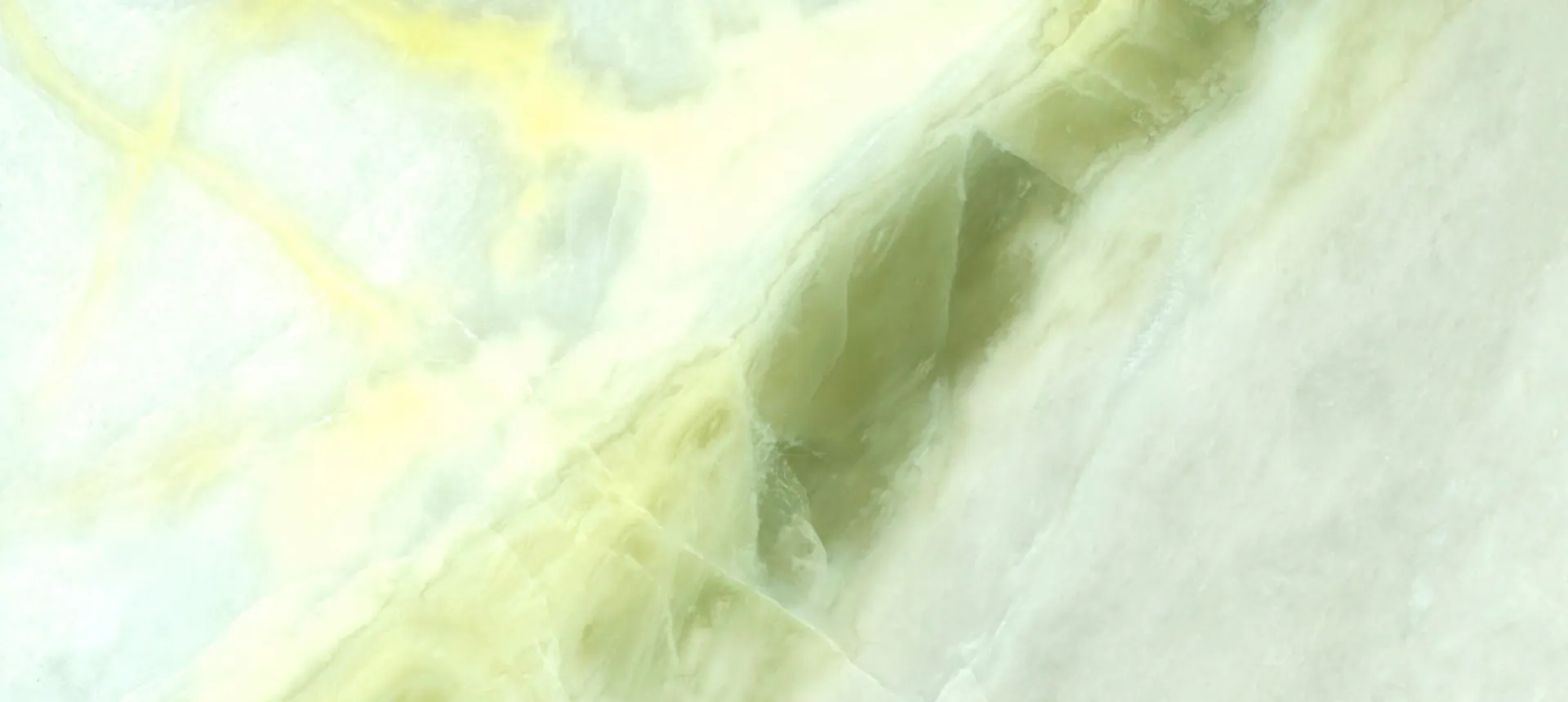
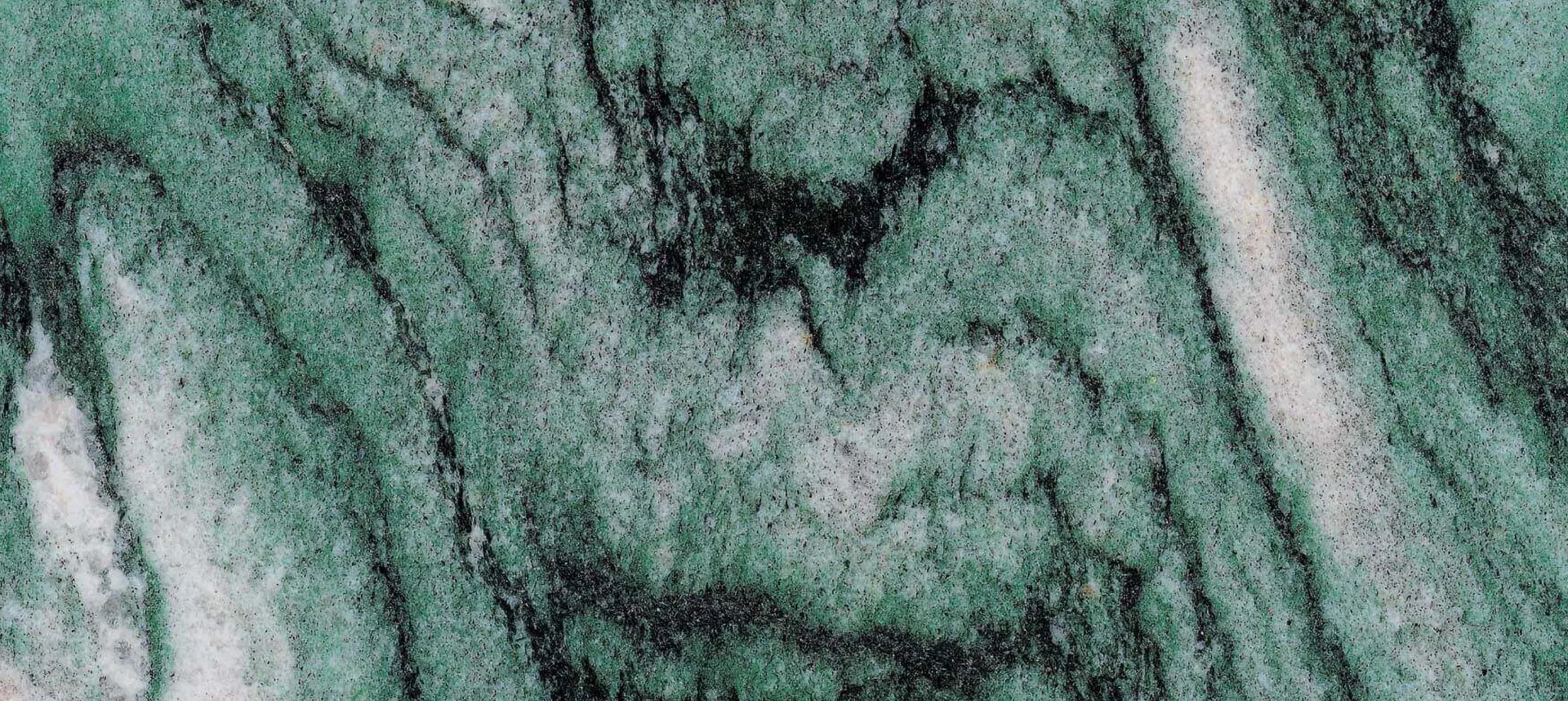
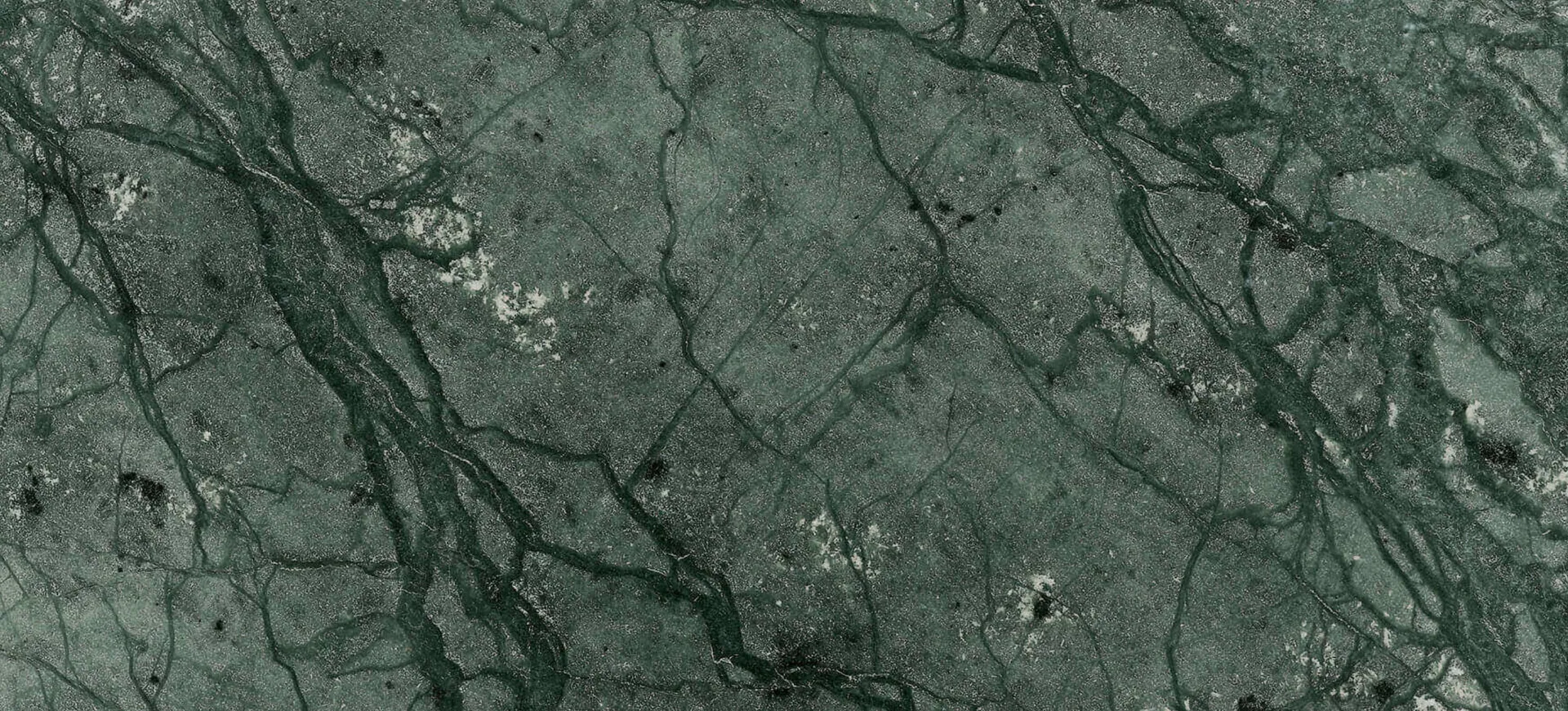
Soft stones
Marble | Limestone | Onyx | Travertine | Sandstone | Oil shale
Natural stones are formed by very different geological processes, each developing its own structure, density and surface as a result. Depending on how they were formed, they can be divided into igneous, sedimentary and metamorphic rocks — materials that have been transformed again and again under pressure and heat over millions of years.
So-called soft stones include marble, limestone, travertine, sandstone, onyx and oil shale. Compared with hard stones, they have a more delicate surface, with a hardness roughly comparable to that of glass. It is precisely this softer structure that gives them their particular depth and natural elegance – yet it also makes them more sensitive in everyday use. In direct contact with cutlery, ceramics or rough materials, fine traces of use can appear on polished surfaces. Unglazed undersides of tableware and hard edges in particular can mark the surface. For daily use, we therefore recommend handling the material with a degree of care, so that its original character is preserved for the long term.
Reaction to acidic liquids: Calcareous natural stones are sensitive to acids. Drinks such as wine, fruit juices, mineral water or sparkling wine can leave dull patches on the surface after only a short time. These changes are not merely superficial – they attack the fine polish of the stone directly. While matt or textured surfaces can in some cases be carefully restored, a damaged high-gloss polish usually requires professional refinishing by an experienced stonemason. With particularly high-quality natural stones especially, regular care is therefore just as worthwhile as mindful handling in everyday use.
Craters and pores
In fine-grained sedimentary rocks such as sandstone, limestone or marble in particular, small pores or isolated indentations may become visible in the polished surface. These natural openings run through the material and are part of its grown structure. Because they are anchored deep within the stone, they cannot be permanently and completely closed without altering the natural substance. They are therefore not imperfections, but part of the authentic appearance of a genuine natural material.
Mineral stress cracks
In more coarsely structured stone, occasional visible or tangible lines may appear within the surface. These formed during the rock's slow cooling deep within the earth and have knitted back together minerally over vast stretches of time. Even where these natural stress marks are visible, they do not usually affect the stability of the stone top. Rather, they tell the story of the material's geological origins.
Matt patches in the surface
Many softer natural stones contain fine fissures or small cavities within the material. To stabilise these areas, they are sometimes refined with a mineral filler matched to the stone. As these refined sections cannot be polished to exactly the same high gloss as the surrounding stone, they may remain visible in the surface as subtly matt patches. These nuances, too, are the expression of a natural material whose individuality is deliberately preserved.
Hard stones
Granite | Gneiss | Quartzite | Gabbro | Norite | Conglomerate
Hard stones are considered not only resistant to mechanical wear, but generally also highly resistant to acidic liquids. Wine, fruit juices, mineral water and other acidic drinks normally leave no visible changes on many of these surfaces. Sodalite, however, is a notable exception. Although this rock is classed among the hard natural stones, its characteristic deep-blue veining is sensitive to acid. With such extraordinary materials in particular, especially careful handling in everyday use is therefore recommended.
Veins and mineral inclusions:
Even in stone with a rather calm, even appearance, fine veins or crystalline inclusions may become visible. They arise from differing mineral components within the rock and underline the material's authentic character. Depending on the size of the finished slab, such natural structures cannot always be entirely avoided in cutting – and therein often lies a particular part of the charm.
Fine surface textures:
On some natural stones, a fine network of hair-like lines appears on the polished surface. These delicate structures become particularly visible against the light and often occur in coarse-grained stones such as granite, gneiss or conglomerate. They are an expression of the material's natural character and a reminder that perfectly uniform surfaces hardly ever occur in nature.
Mineral stress marks:
In coarse-grained stones in particular, occasional natural tension or cooling lines may be visible. These arose during the stone's geological development and have been sealed again with minerals over millions of years. They do not affect the stability of the slab — they are part of the material's organic history.
Pores and small indentations:
Small pores or pinpoint indentations are also typical characteristics of many natural stones. They occur where softer minerals have been exposed or washed out during working. Such details are not irregularities but an expression of the stone's natural structure – and they are deliberately left untouched to preserve its original character.
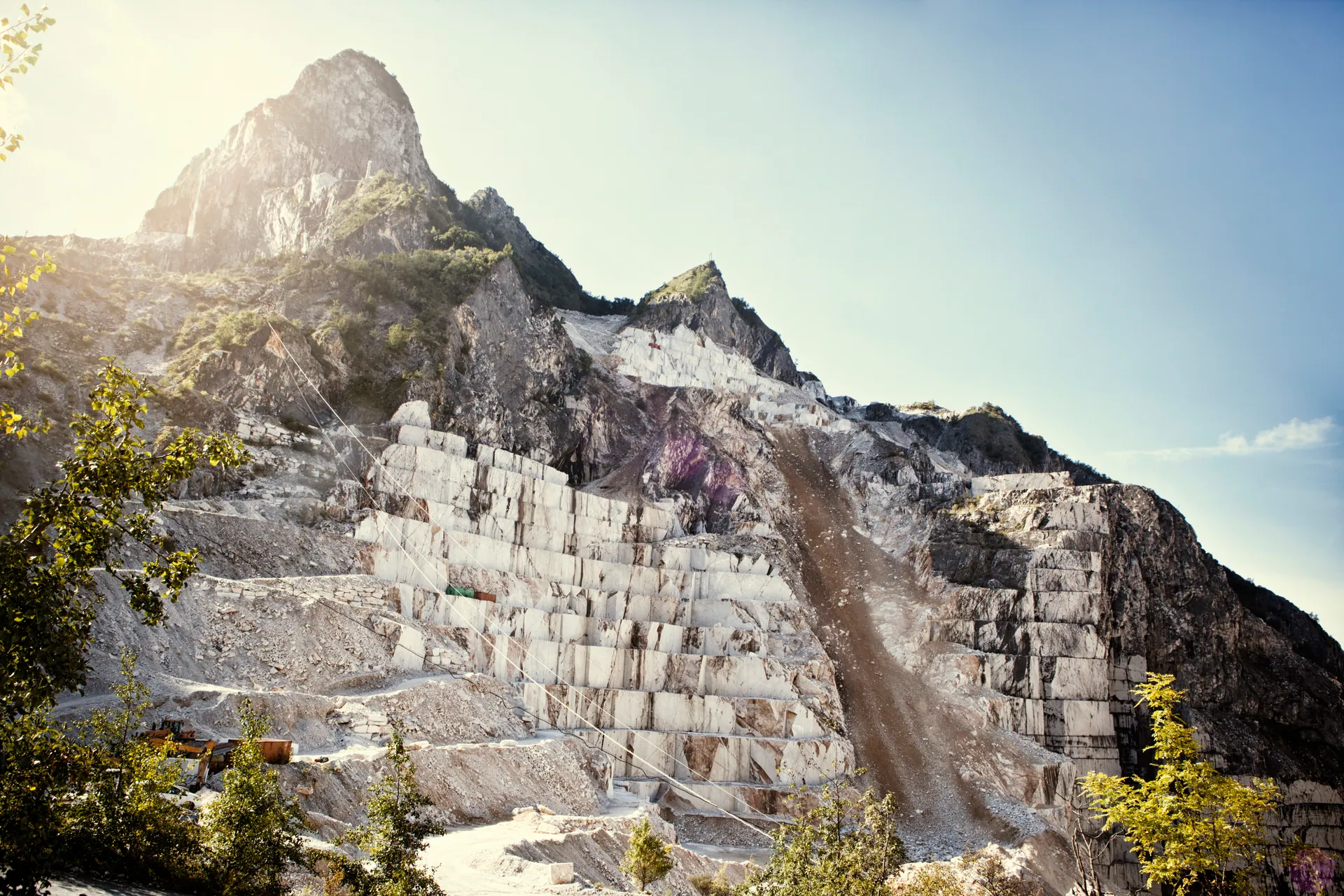
Every natural stone carries a story within it that begins long before any human design. Over millions of years, pressure, heat and mineral change create materials whose character cannot be reproduced. It is precisely this geological origin that gives natural stone its particular depth and individuality.
Marble – crystallised elegance
Marble is one of the most impressive natural stones in interiors. Originally formed as calcareous sediment on the sea floor, the material was subjected to enormous pressure and high temperatures deep inside the earth over a long period. Through this natural process of transformation, the lime began to recrystallise. The result is a stone with a delicate luminosity and a lively sense of depth. In the light especially, the crystalline structures reveal the characteristic lustre that has made marble a favoured material in architecture and design for centuries.
Limestone – natural calm
Limestone is one of the oldest sedimentary rocks, formed by the slow deposition of mineral components in primeval seas. Unlike marble, its original structure remains largely intact. Typical are its calm colour palettes, fine layering and gentle veining. As a result, limestone often appears particularly understated and harmonious – a material with a timeless effect in modern and classic rooms alike.
Onyx – transparency from nature
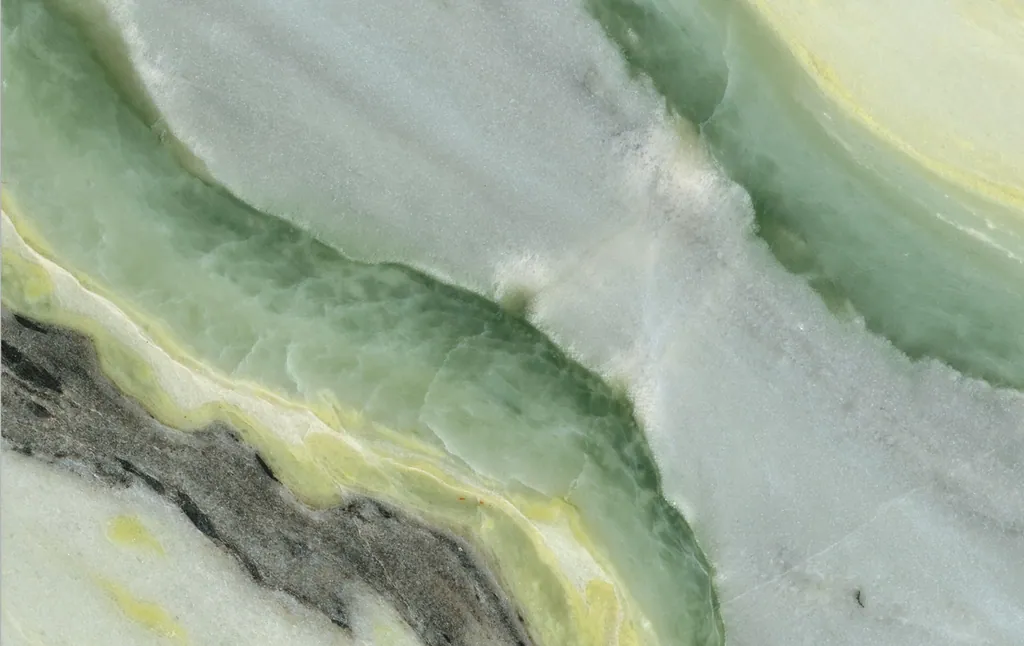
Onyx is one of the most extraordinary limestones. It forms where mineral-rich water deposits new layers over long periods of time, layer upon layer. This creates a semi-translucent stone of exceptional depth. Its flowing colour gradients range from light cream and gold tones to intense shades of green or amber. Especially in interplay with light, an almost floating effect emerges, making onyx a particularly exclusive material.
Travertine – lively texture
Travertine forms at mineral-rich springs, where calcareous water rises to the surface and slowly evaporates. During this process, small cavities remain in the stone, forming its characteristic open-pored structure. This natural surface lends travertine a special vitality. Despite its calm colouring, the stone never appears static, bringing movement and warmth to any design.
Oil shale – testimony to times long past
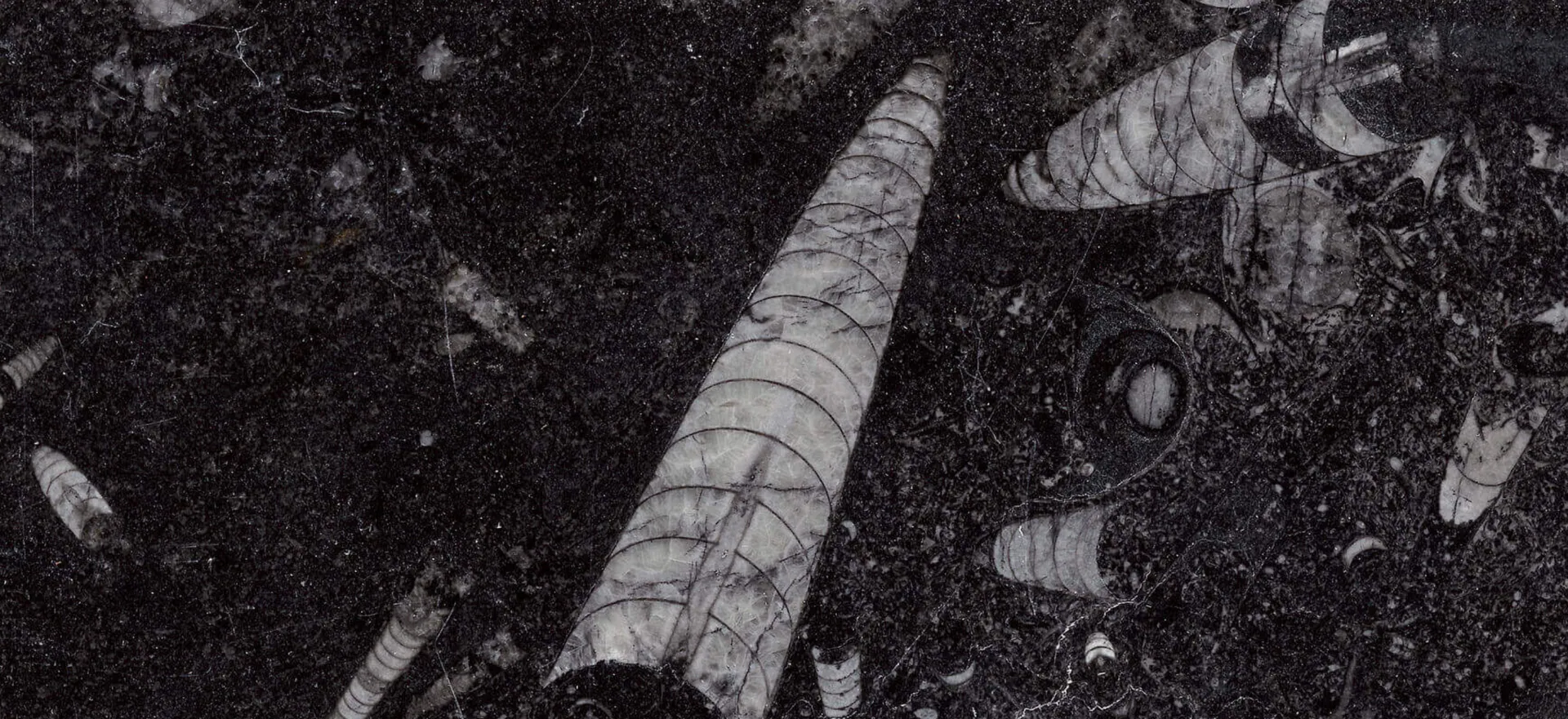
Oil shale is among the rare natural stones with an especially strong historical character. It formed from fine deposits on ancient sea beds in which organic matter was enclosed over millions of years. In some slabs, fossil traces can still be seen today, recalling the early history of life. It is precisely these visible testimonies that make oil shale a material of exceptional expressive power.
Serpentinite – geological movement made visible
Serpentinite is formed through the transformation of mineral-rich rocks deep in the earth's crust. During tectonic movements, the material was repeatedly subjected to pressure and partially remineralised. This creates high-contrast veining and vivid colour gradients that can range from rich green to pale calcite veins. No other stone shows geological movement as visibly as serpentinite.