4 insider tips for the perfect garden furniture purchase

Spring is on its way and you would like to give your outdoor space a fresh new look – whether balcony, terrace or garden? Our experts have devised four guiding questions to help you find the right garden furniture for your needs and your taste. With decades of experience in the garden furniture business, you are in the right hands with us.
Discover our garden furniture range here.
"Which garden furniture suits my taste?"
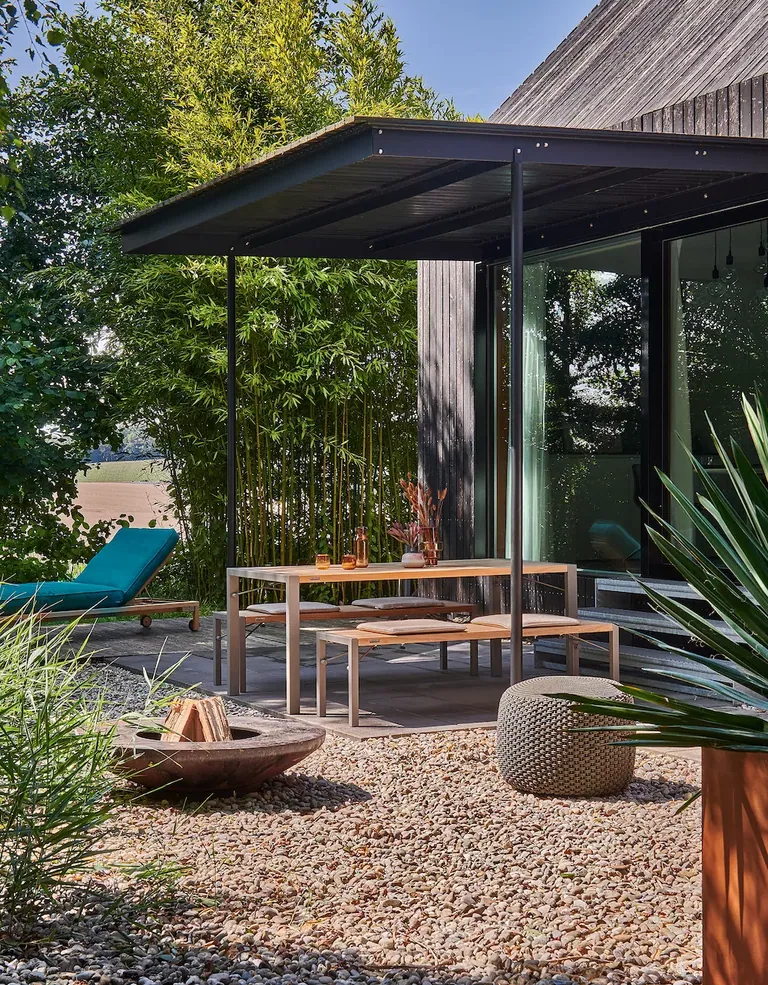
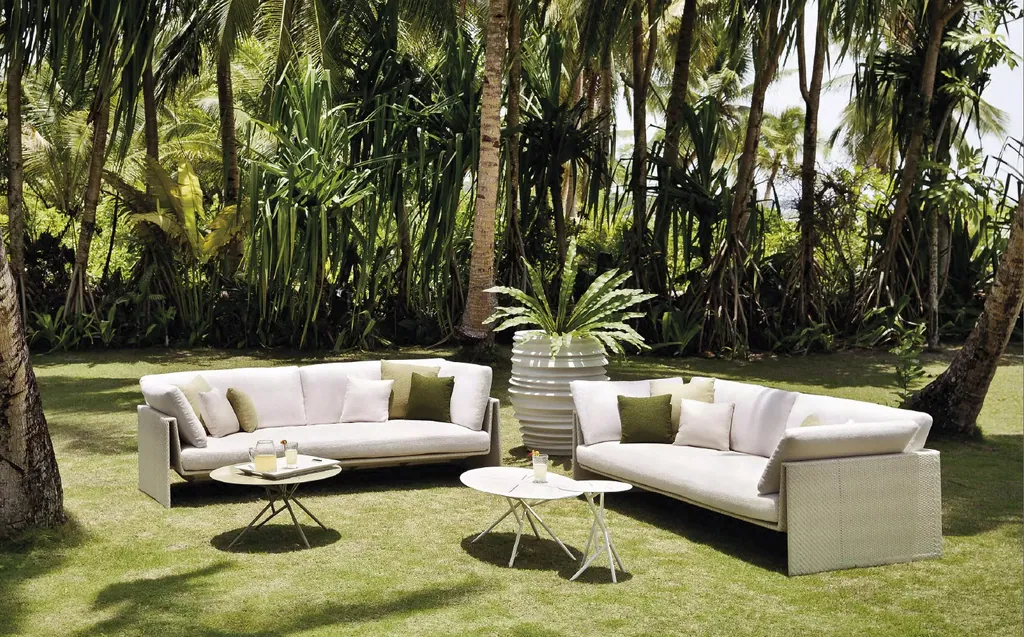
Before our experts can advise you in depth, it is important to form a picture of which styles appeal to you and which are already present in your interior and exterior. The furniture also needs to suit its surroundings, such as the flooring: plastic furniture, for example, can look cheap on a fine stone floor compared with elegant materials like stainless steel. It may help to take stock of the materials and colours already present in your furniture and pick these up in your new selection — combining matching wood types and upholstery, for instance. It is also worth looking into the brands you have already furnished your living space with, as some brands offer furniture for both indoors and outdoors. Combining the two creates a coherent whole.
"Which outdoor area do I want to furnish with garden furniture?"
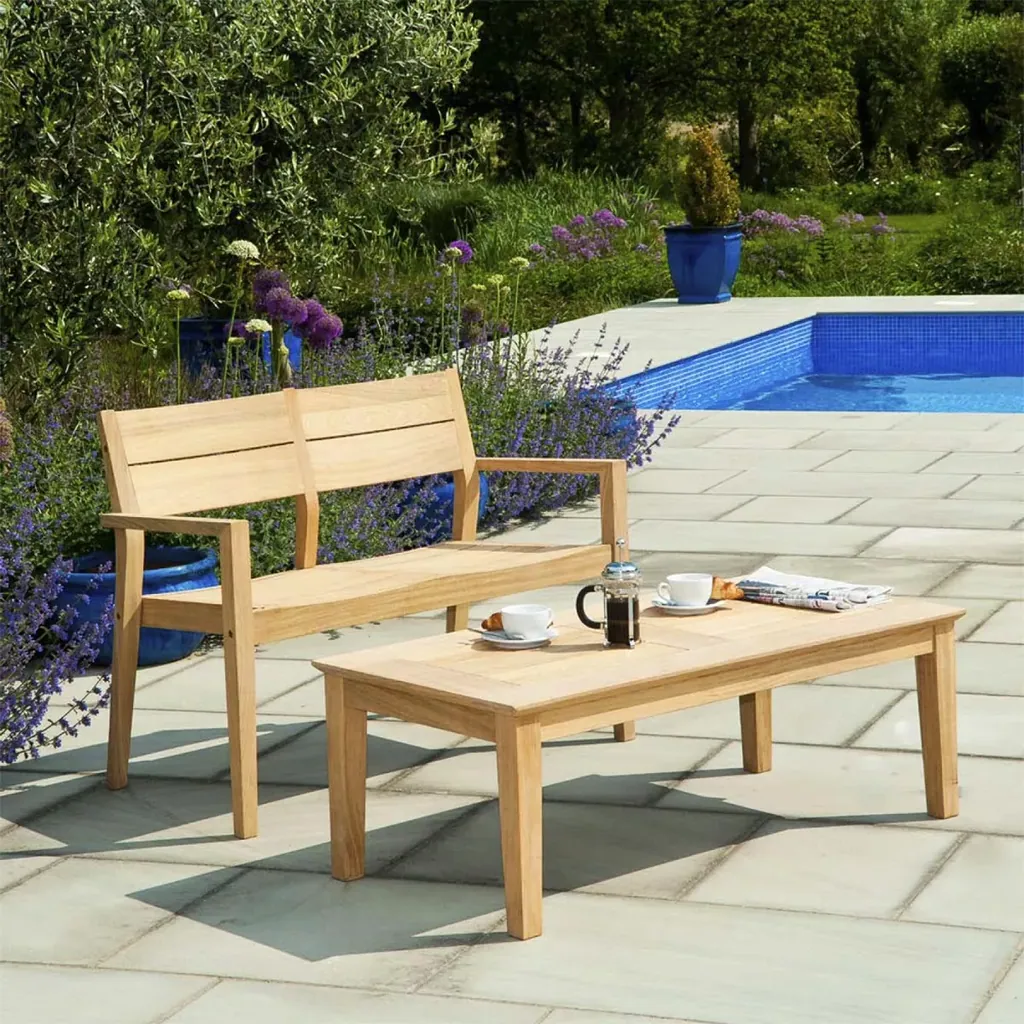
Consider where and for what purpose you would like to integrate garden furniture. Below you will find seven possible options:
- for a Lounge corner
- on the balcony
- on the terrace
- in the garden
- in the pool area
- for a Outdoor kitchen
- for a Outdoor Bar
"Which garden furniture materials are suitable for my outdoor area?"
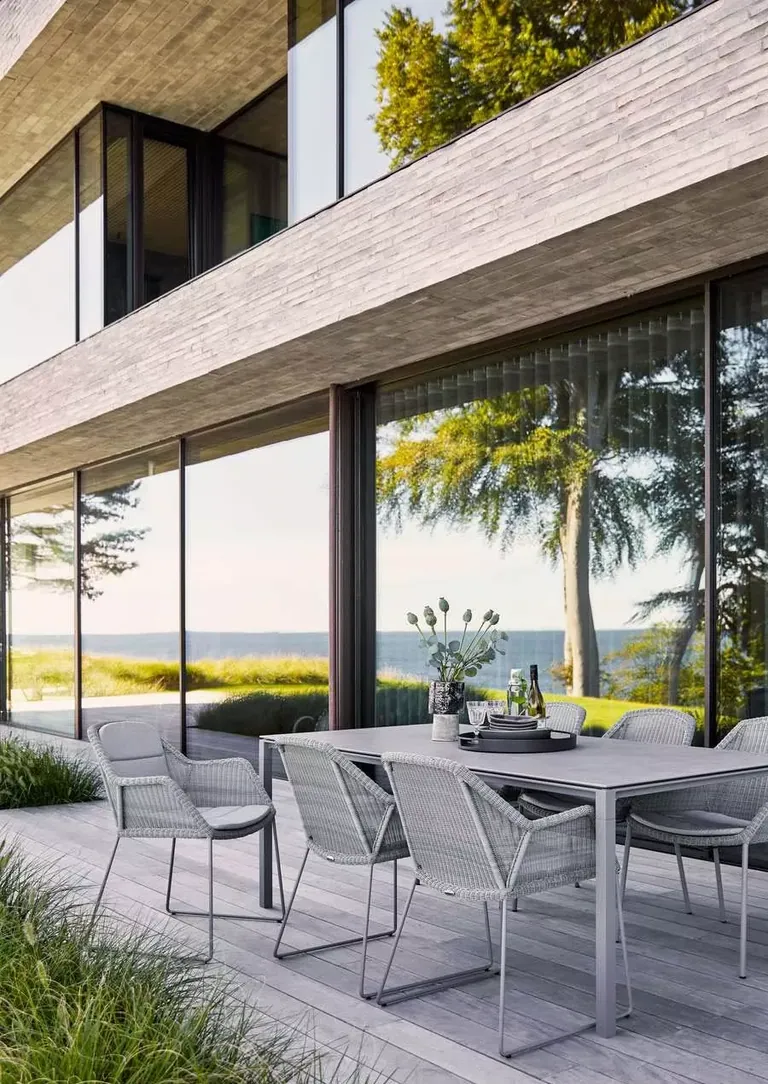
Near the sea:
Aluminium with powder coating:
Aluminium is lightweight and rust-resistant, while the powder coating provides additional protection.Woven furniture in synthetic fibres:
These are weatherproof and easy to clean, which makes them ideal for use in salty air.Hardwood with special impregnation:
Teak or eucalyptus, when treated regularly, can withstand the salty wind.
In a dry climate:
Stainless steel:
Stainless steel is resistant to frost, heat, moisture and UV radiation, which makes it ideal for dry climates.Teak with regular care:
Teak does require more care, but in dry climates it does not tend to overheat.
In wet climates:
Plastic:
Highly resistant to moisture and mould, easy to clean and low-maintenance.Aluminium with powder coating:
Here too, powder-coated aluminium offers protection against moisture and rust.Synthetic weave:
Synthetic fibres are robust and weatherproof, ideal for wet climates.Hardwood with good impregnation:
Hardwood furniture, if sealed regularly, can also be used in wet climates.Stainless steel:
Thanks to its rust resistance, stainless steel is well suited to damp environments.
For a detailed overview, take a look at the following articles: “An overview of material options for the garden.”

"How can I preserve my garden furniture in the long term?"
Our watchwords are cleaning, maintenance, care and protection from the elements. But how do I care for my individual garden furniture? Here is a brief overview:
Tips on cleaning plastic
- Clean plastic furniture regularly with a mild detergent and water.
- Avoid aggressive cleaning agents, which can damage the material.
- UV protection sprays can help prevent the colour from fading. Store plastic furniture in a sheltered place over winter, or use a cover to protect it from frost.
Tips on cleaning poly-rattan
- Regularly remove dirt and dust with a vacuum cleaner or a soft brush head.
- Use a mild cleaning agent and water to remove stains, then rinse thoroughly afterwards.
- Dry the furniture completely to prevent mould.
- If needed, use special care products to extend the material's lifespan.
Tips on cleaning aluminium
- Aluminium furniture is relatively easy to care for and usually requires only regular wiping with mild cleaning agents and water.
- Check regularly for signs of rust and treat affected areas promptly with a rust-protection agent.
- If needed, use wax or special protective products to seal the surface and protect it from corrosion.

Tips for cleaning wood
- Regularly remove dirt and dust with a vacuum cleaner or a soft brush head.
- Use a mild cleaning agent and water to remove stains, then rinse thoroughly afterwards.
- Dry the furniture completely to prevent mould.
- If needed, use special care products to extend the material's lifespan.
Tips on cleaning fabric canopies
- Regularly remove dirt and dust with a vacuum cleaner or a soft brush head.
- Use a mild cleaning agent and water to remove stains, then rinse thoroughly afterwards.
- Dry the furniture completely to prevent mould.
- If needed, use special care products to extend the material's lifespan.

You might also be interested in
- Discover here our garden furniture selection in our shop
- Weatherproof solutions for your garden
- Must-have garden furniture for 2024