Light or dark canopy? Which colour suits your parasol better?

Choosing the right parasol colour is not just a question of aesthetics; it also affects the comfort and functionality of your outdoor area. In this article we look at the various aspects to consider when deciding between a light or a dark parasol.
Colour overview from our partner: Glatz parasols.
Recommendations for choosing the right parasol colour
Light and dark colours each have specific advantages and disadvantages, which can be weighted differently depending on your individual needs and your outdoor space.
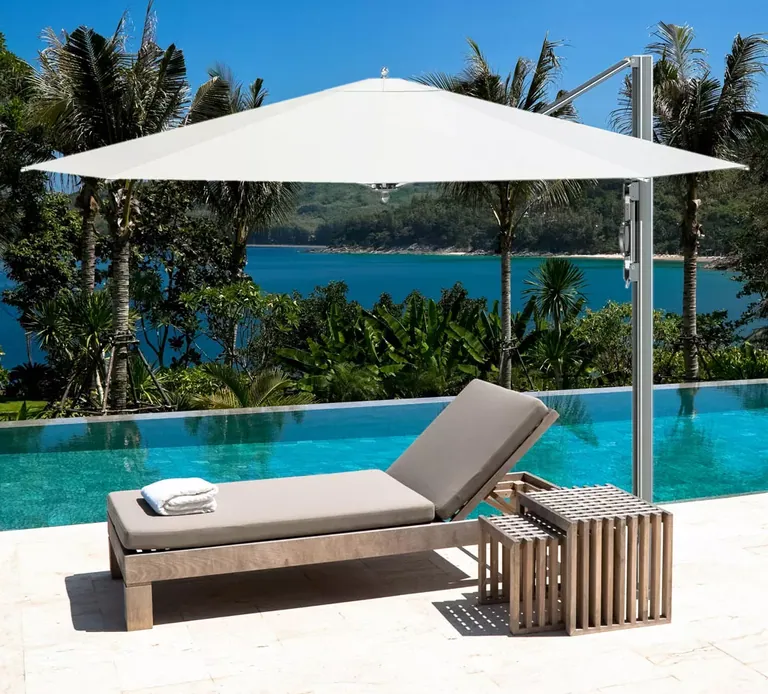
Light colours (e.g. 523 Champagner by Glatz):
Advantages: Reflect sunlight, keeping the area beneath cooler. They lend the outdoor area an airy, friendly atmosphere.
Disadvantages: Dirt and stains are easier to spot on light fabrics. Over time, they can fade more quickly under UV exposure.
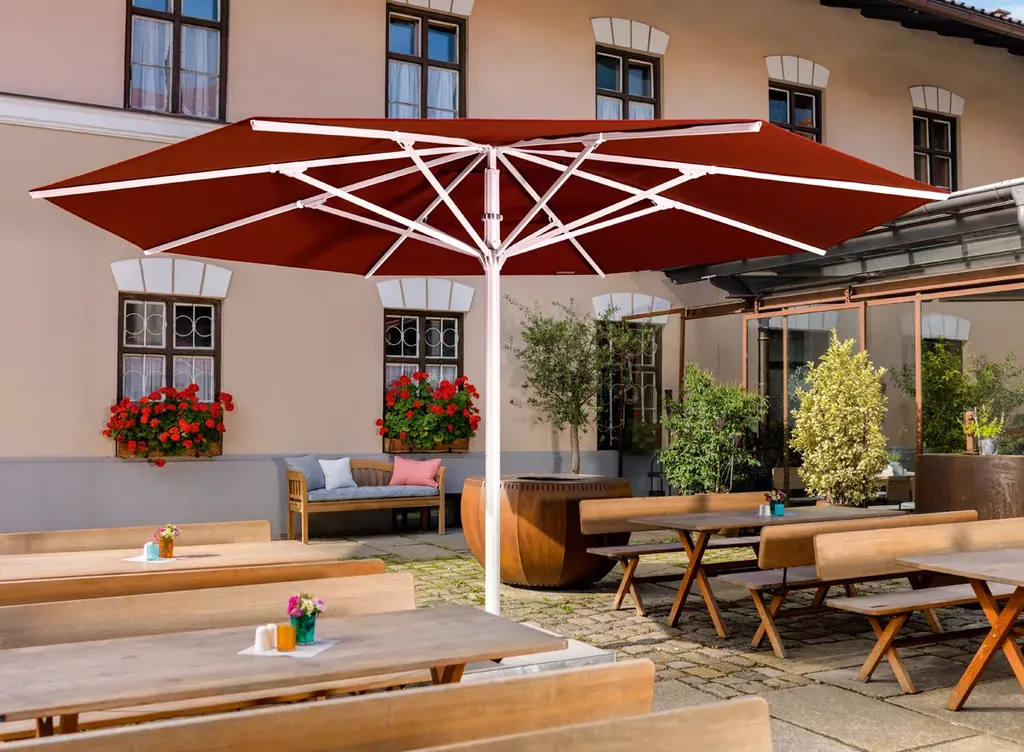
Dark colours (e.g. 807 Lava by Glatz):
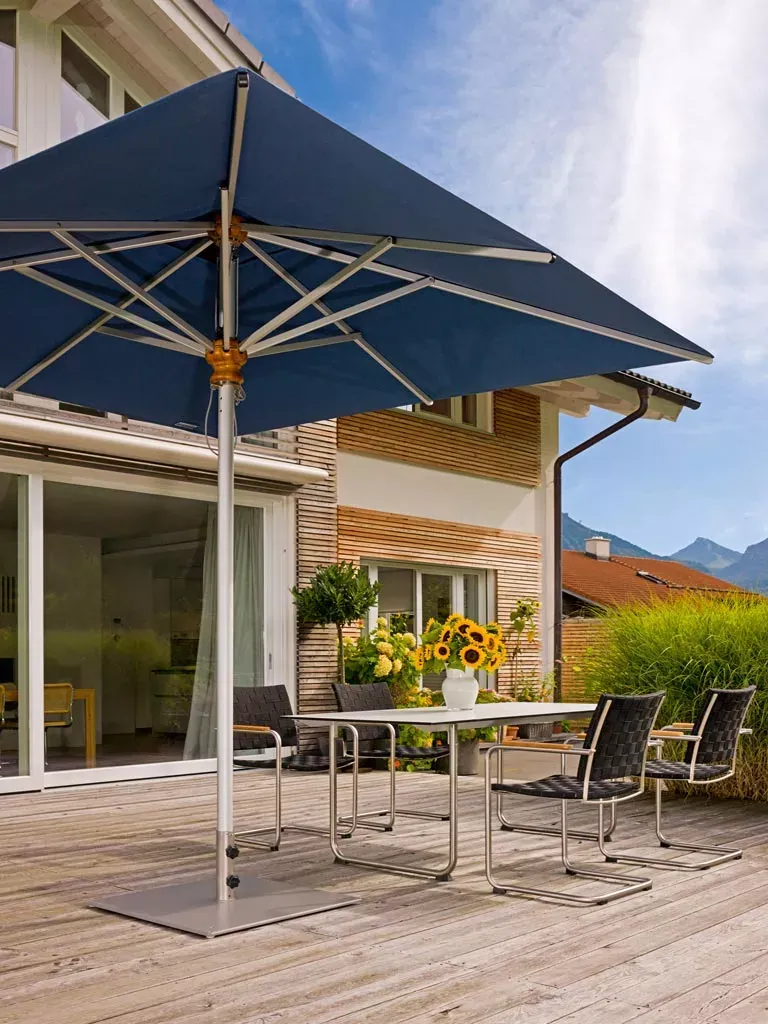
Advantages: Absorb more light, which often results in deeper shade. Dirt and stains are less visible, and they often look more elegant and timeless.
Disadvantages: Dark colours can raise the temperature under the parasol and fade over time, although dirt is less visible.
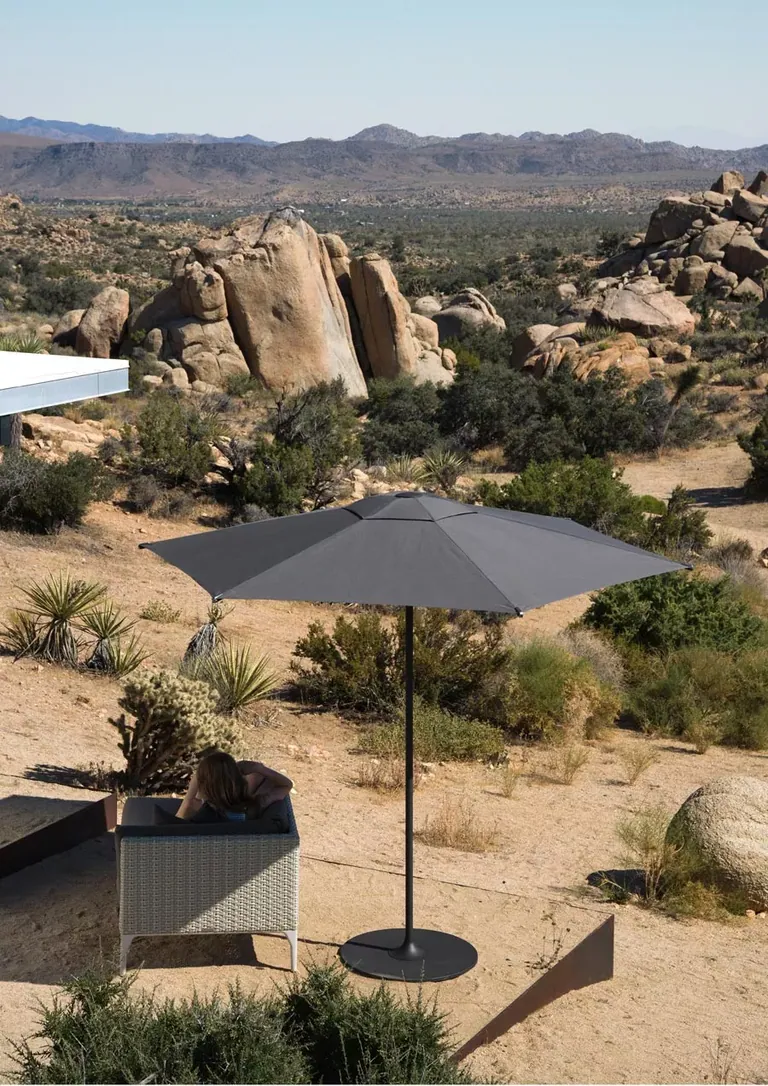
Which colour best suits your outdoor space and your personal preferences?
Aesthetic considerations play an important role when choosing a parasol colour. Consider which shades best suit your outdoor area:
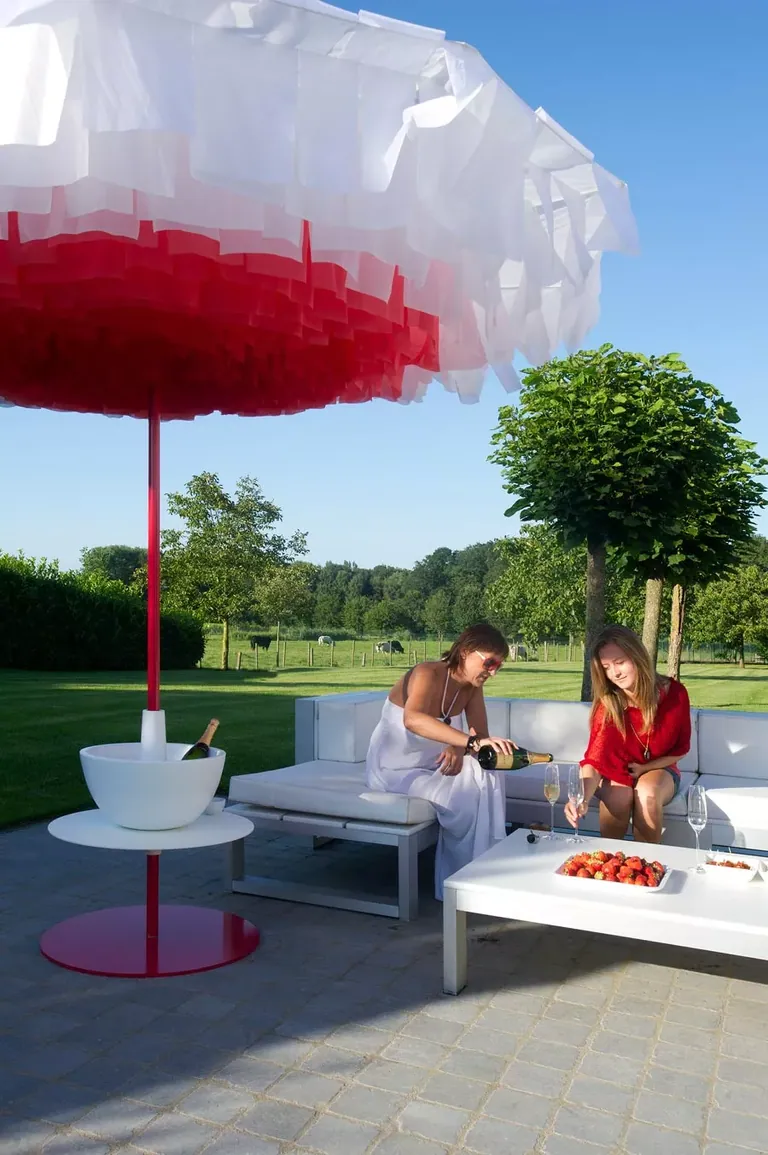
Light parasols: Perfect for modern, minimalist designs or beach and coastal themes. They create a fresh and inviting atmosphere.
Dark parasols: Ideal for classic, elegant gardens or terraces. They form a stylish contrast to light-coloured furniture and surroundings.
Discover here also the various accessories for your parasol, such as bases, lighting and various additional functions.
How do light and dark colours affect the effectiveness of sun protection?
The colour of your parasol influences not only its appearance but also its functionality:
Light colours: Reflect most of the sunlight, keeping the area beneath cooler. They are well suited to spots that get a lot of sun and where controlling the temperature matters.
Dark colours: Absorb more light and heat, which can be an advantage at cooler temperatures, as it makes the surroundings more pleasant. They also cast more shade, which can provide greater privacy and protection.
-768x963.webp)
Which colour makes for a cooler environment under the parasol?
Light-coloured parasols reflect sunlight effectively and reduce heat build-up beneath the canopy, ensuring a more pleasant temperature on hot days. Dark parasols, by contrast, absorb more heat, which can warm the area beneath them. If temperature control is the priority, light colours are often the better choice.
Which colour protects better against harmful UV rays?
UV protection depends primarily on the material and quality of the fabric, but colour also plays a role:
Light colours: Although they reflect more light, they generally offer less UV protection than dark colours unless they are specially treated.
Dark colours: Absorb more UV rays and therefore offer better protection from harmful UV radiation. Dark fabrics generally block more UV light, making them a good choice for sun protection.
Added to this, brands such as Glatz, offer various fabric qualities. The fabrics provide protection of <98%. Discover the various parasol brands and learn about their individual UV protection.
Conclusion
The choice between a light and a dark parasol depends on several factors, including aesthetic preference, temperature control and UV protection. Light colours create a cool, inviting atmosphere and reflect sunlight, while dark colours look more elegant and offer better UV protection. Consider your individual needs and the style of your outdoor space to make the best choice for your parasol.
You might also be interested in:
- Accessories for planting up your outdoor space
- Tips for perfect outdoor lighting
- Tips for the perfect outdoor kitchen